Inter-field yield comparison reveals which fields drive farm profit

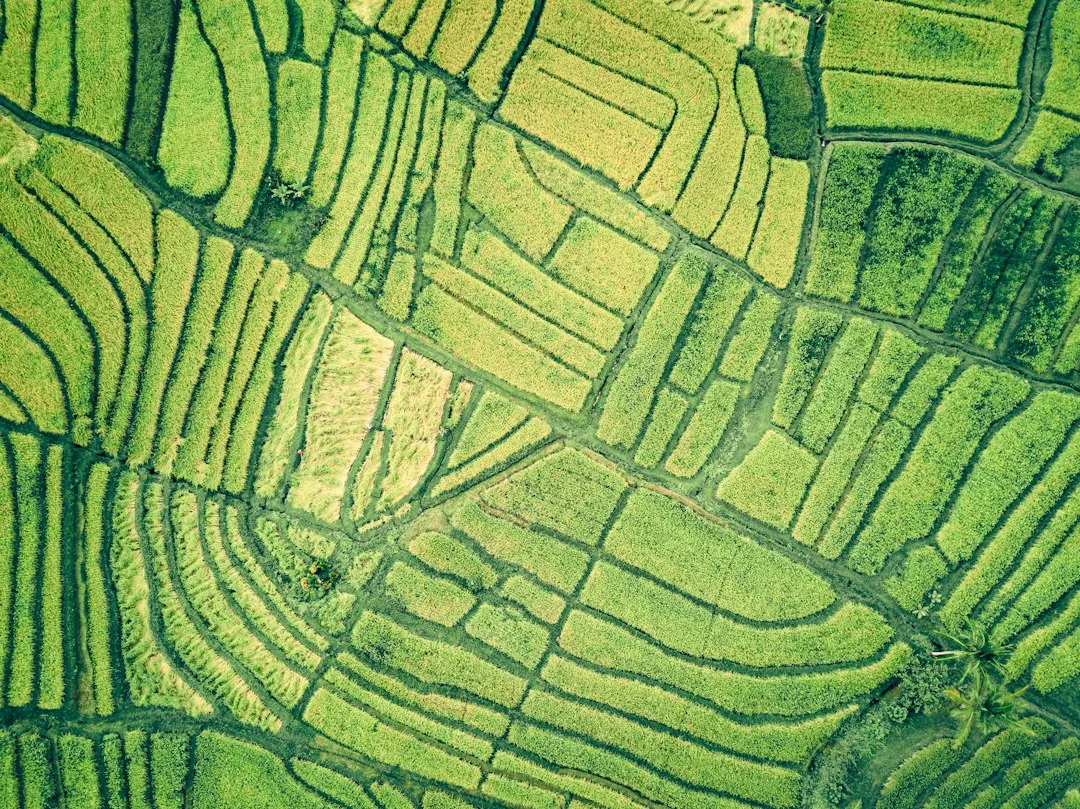
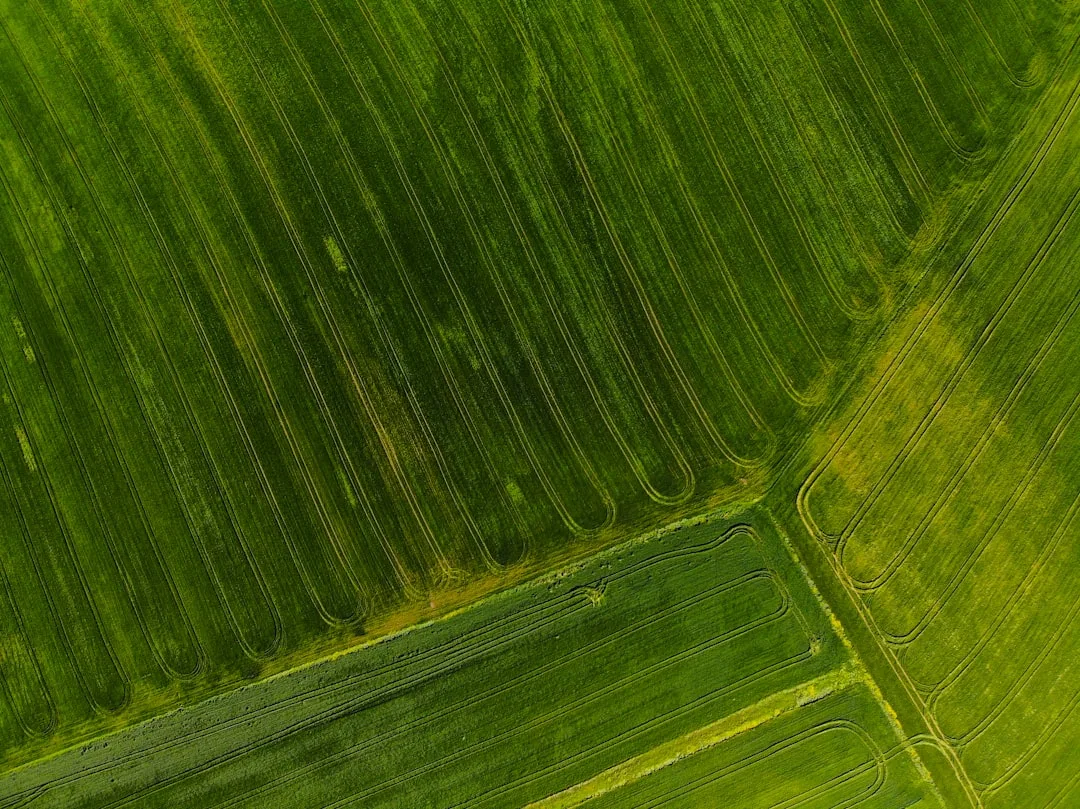
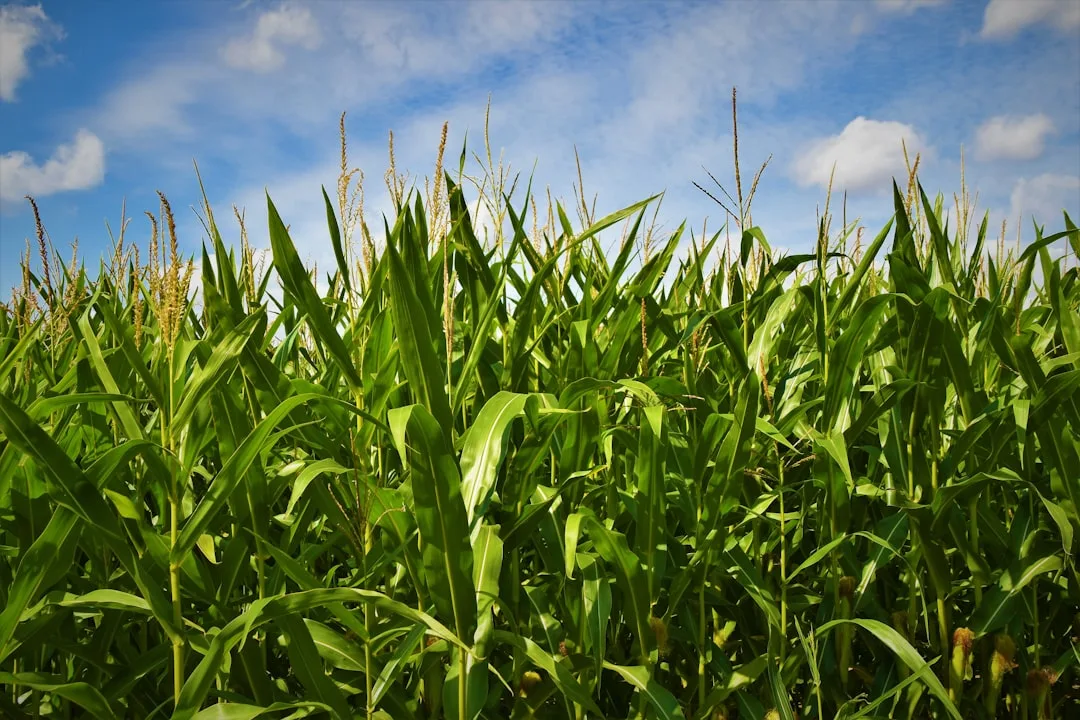
Aerial view of corn fields with yield data overlay showing inter-field performance variation

Most row-crop farmers average yield across all fields and miss the real profit drivers. Inter-field yield comparison isolates which specific acres are outperforming or dragging down your operation—and tells you exactly where to invest time and capital next season.

Why Yield Monitoring Consistency Across Seasons Matters for Your Farm

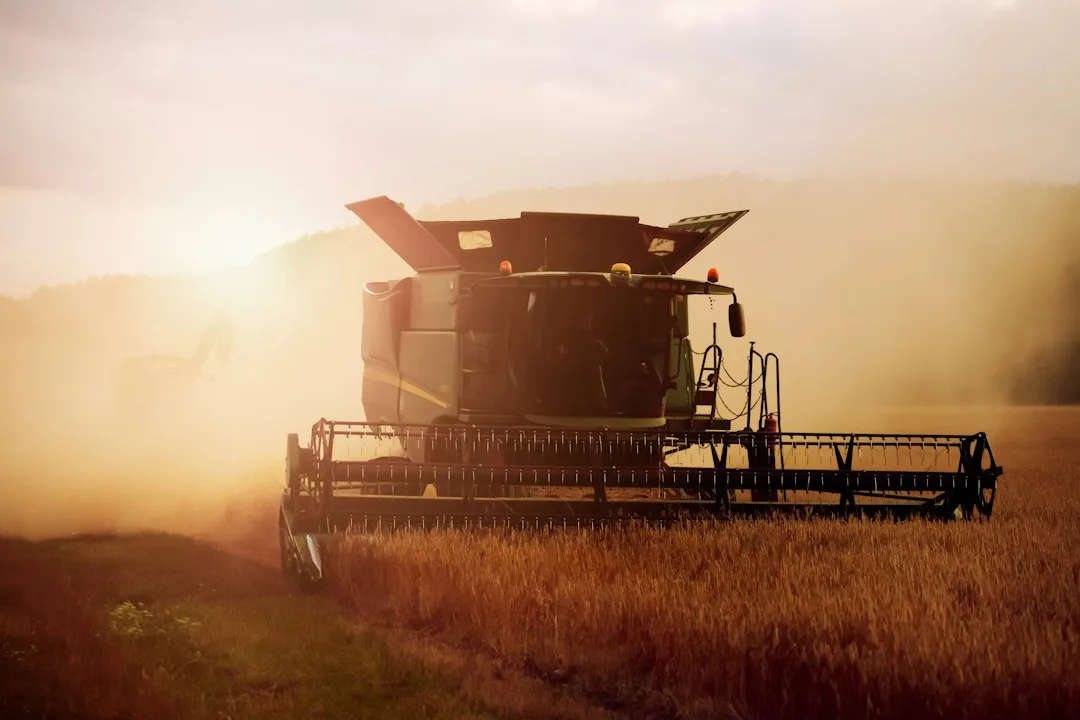
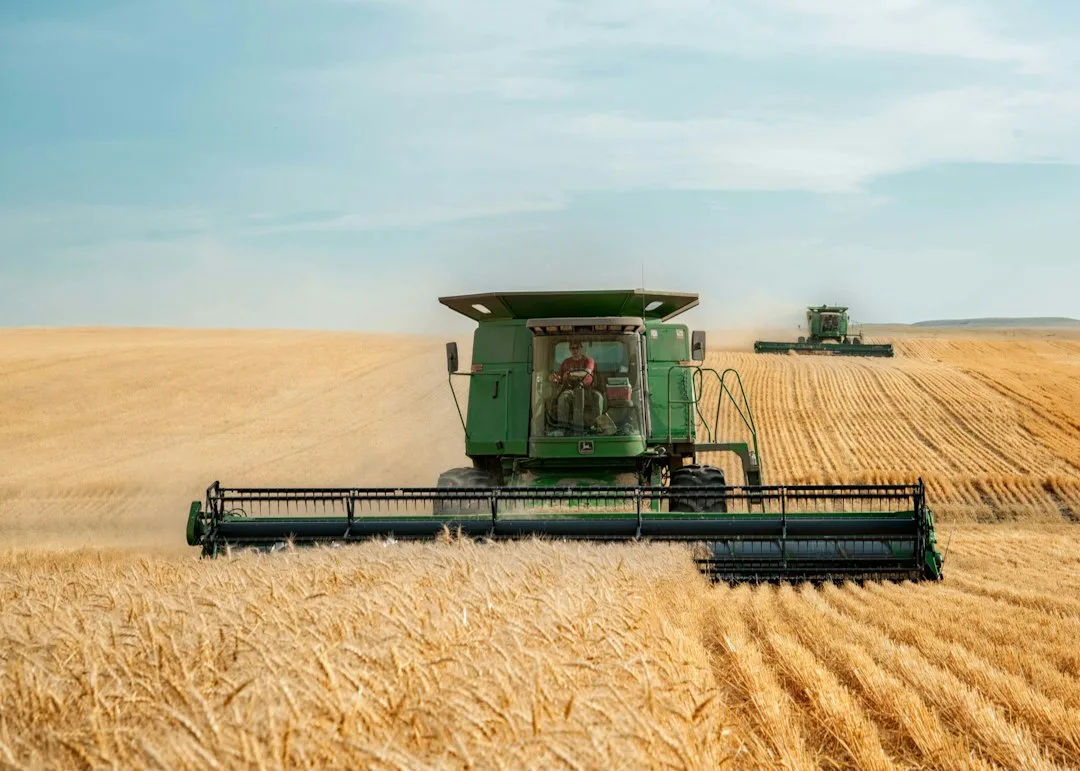
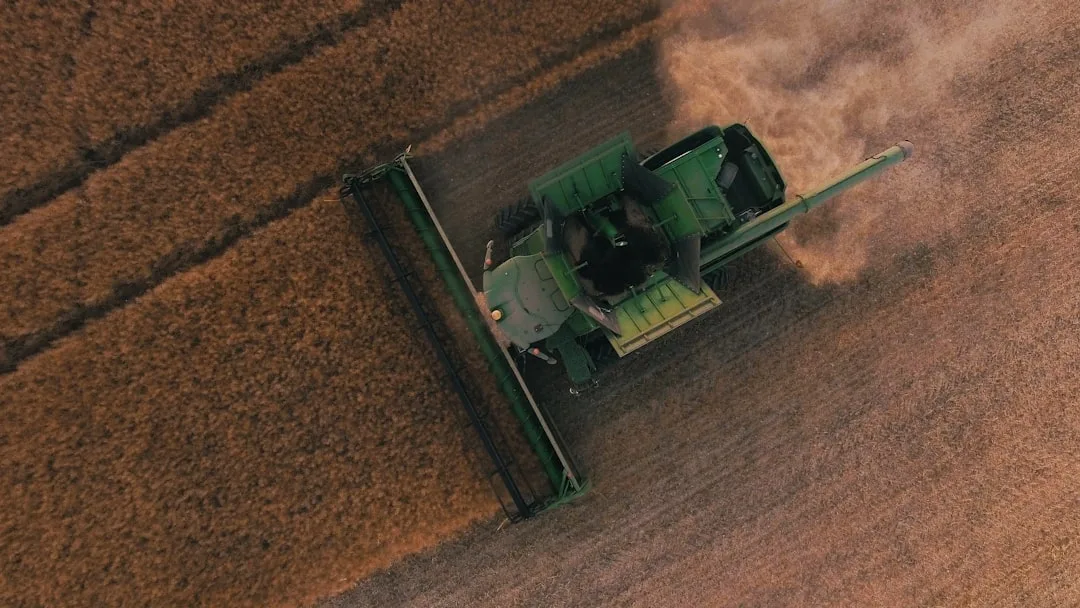
Combine harvester with yield monitoring equipment collecting consistent data

Yield monitoring consistency across seasons is the foundation of reliable field data—without it, you cannot distinguish real farm change from measurement error. This article explains why standardized monitoring methods matter and how to audit your own practice.

Hybrid Variety Selection and Yield Response Vary by Region

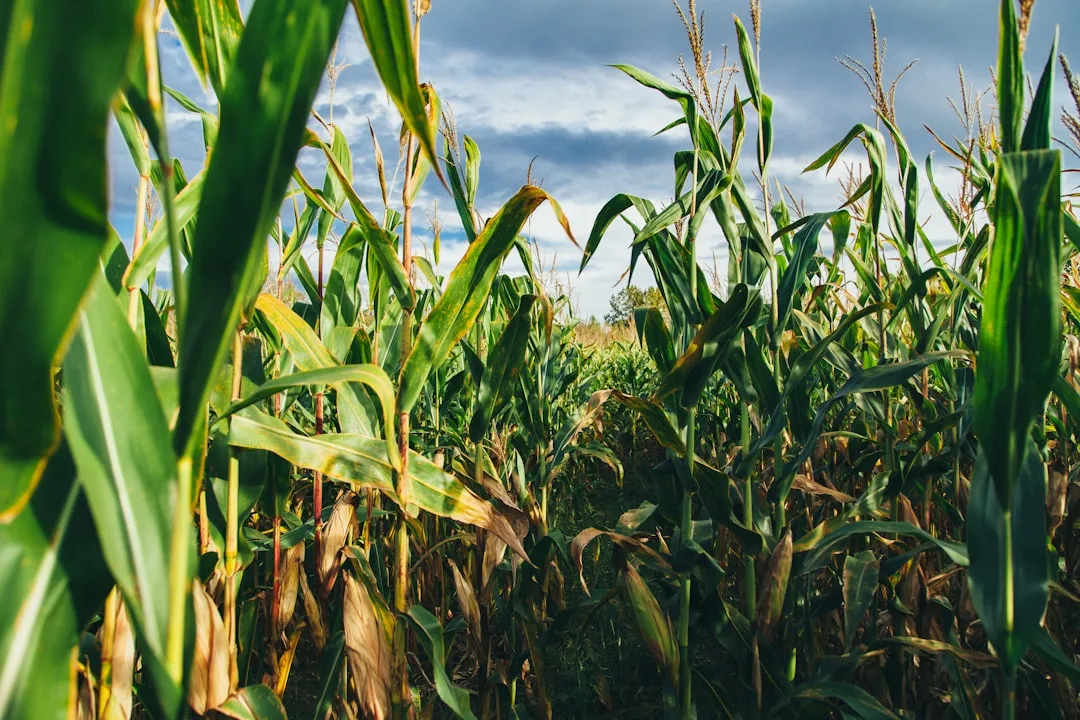
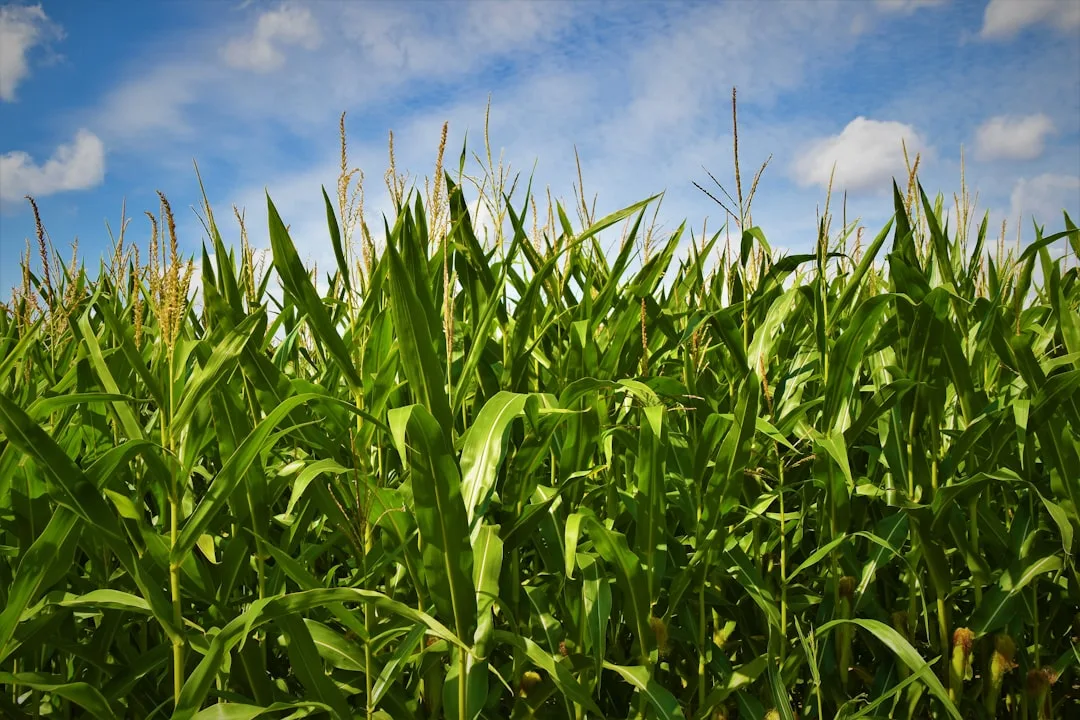
Corn hybrid variety selection impacts yield response across regions

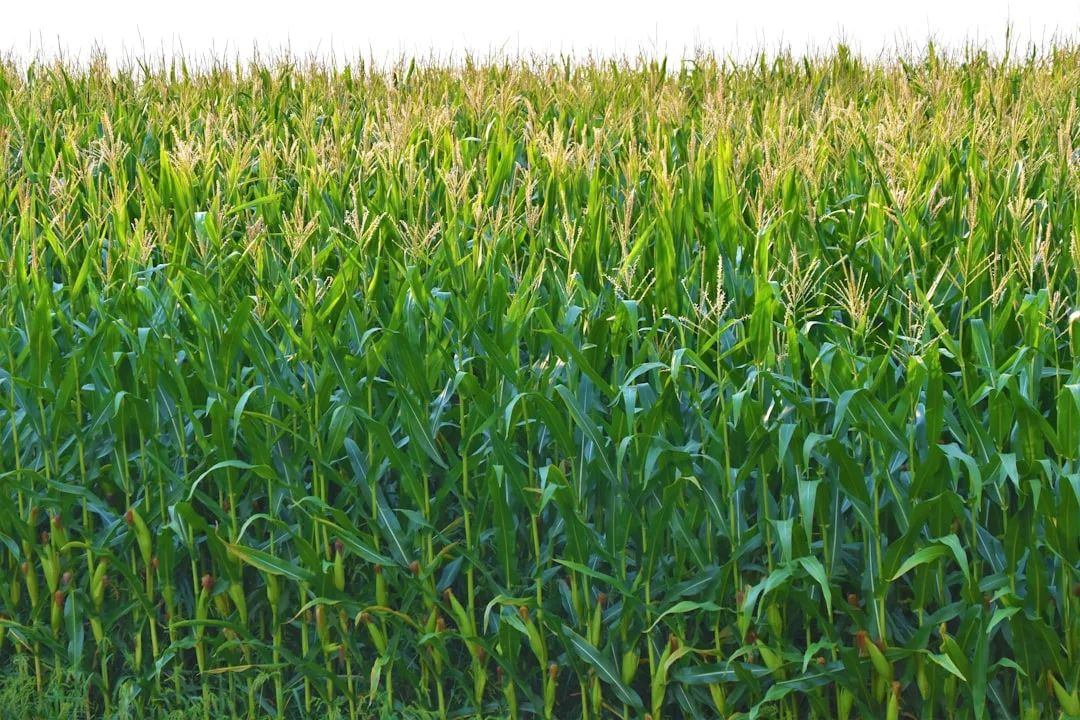
Corn and soybean hybrid choice determines yield potential, but optimal varieties differ by region, soil type, and management. Using yield data to track variety performance against your local baseline reveals which genetics deliver real returns on your farm.

Weather-Adjusted Yield Comparison Reveals True Field Performance

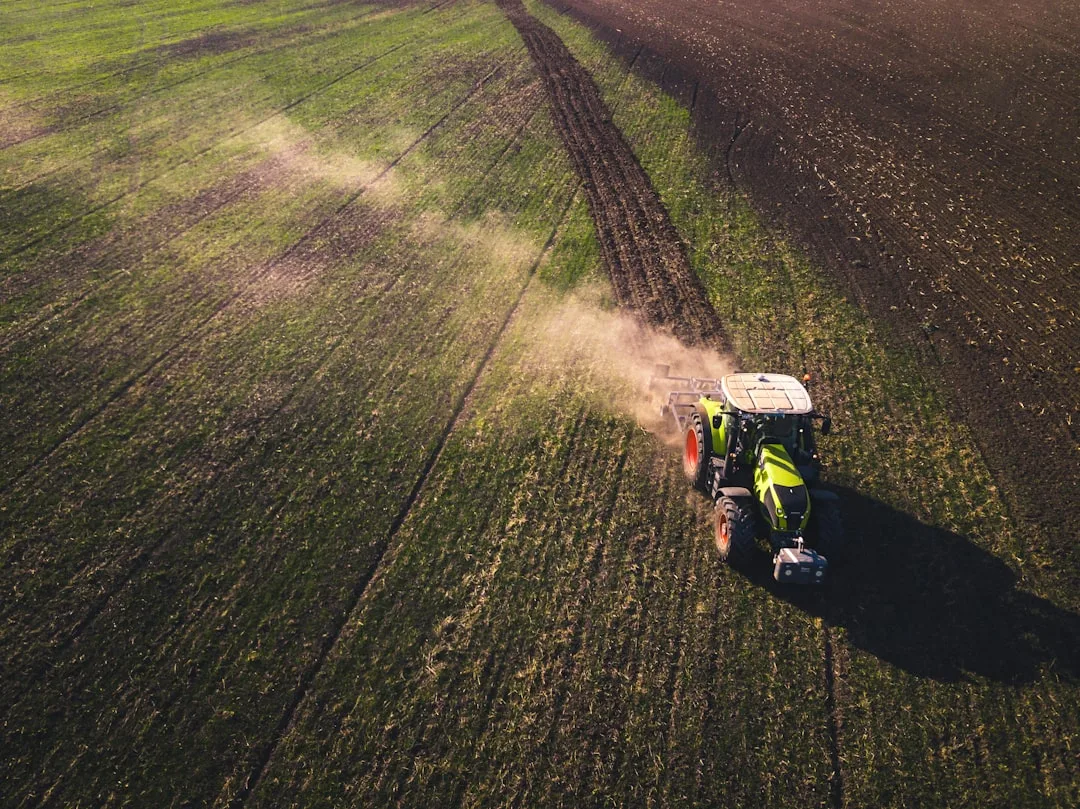
Farmer reviewing weather-adjusted yield comparison data with crop performance notes

Comparing yields year-to-year without adjusting for rainfall and temperature masks your actual farming decisions. Weather-adjusted yield comparison is the mechanic that lets you see whether a higher or lower number came from your choices or the sky.

What Drives Yield Data Variability and How to Separate Signal from Noise

Yield monitor display screen showing variable harvested grain yield data

Yield monitors record thousands of data points per acre, but not every fluctuation means something. Understanding what creates yield data variability—and what doesn’t—lets you invest your management changes where they actually pay.