Local Grain Basis Mechanics Determine Your Actual Row Crop Return

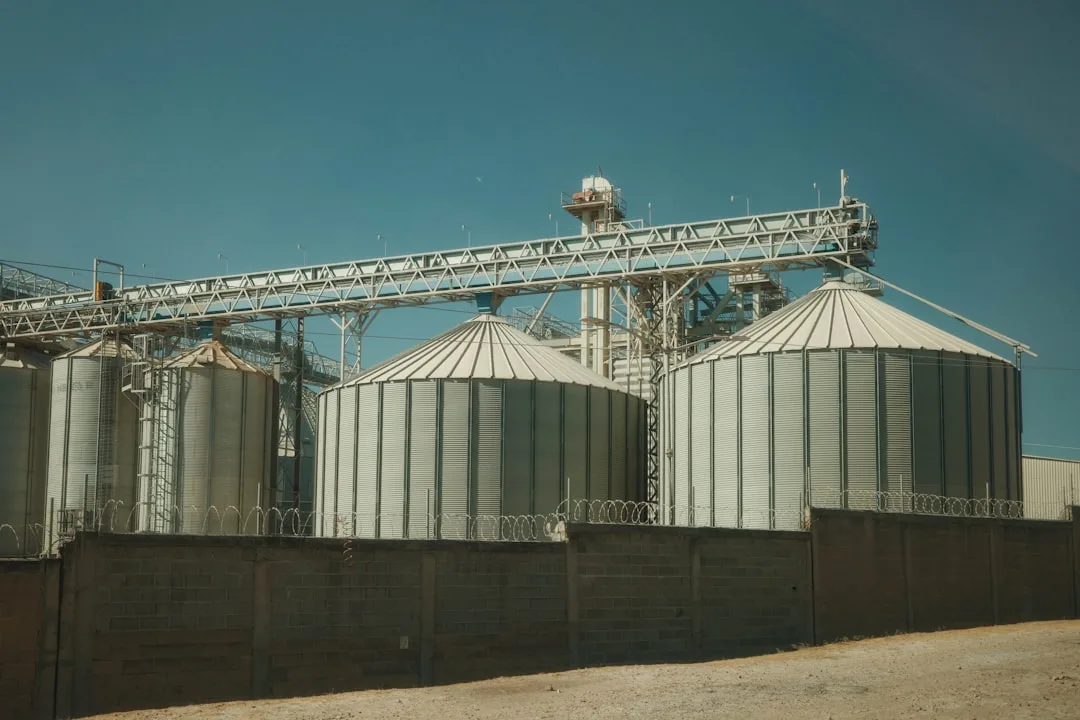
Grain elevator bid board showing basis spread and futures price components

The price you receive for corn or soybeans is never the Chicago futures contract price. Local grain basis—the difference between futures and your elevator’s actual offer—determines your real profit, and it shifts with harvest timing, transportation costs, and elevator inventory needs.

Why Commodity Price Volatility Planning Matters for Your Farm Budget

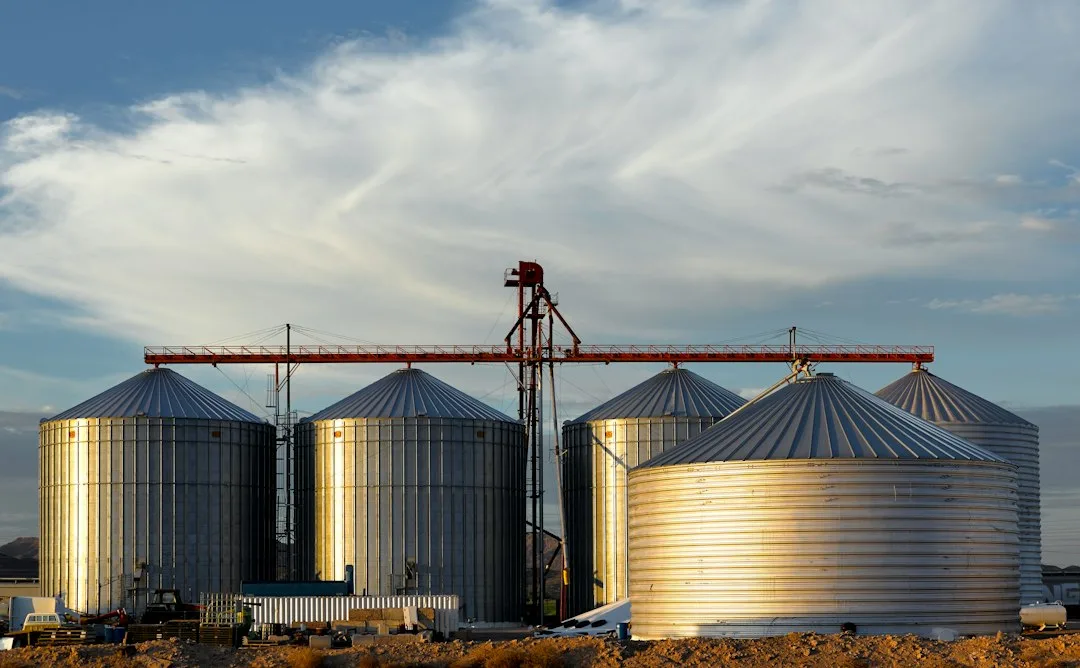
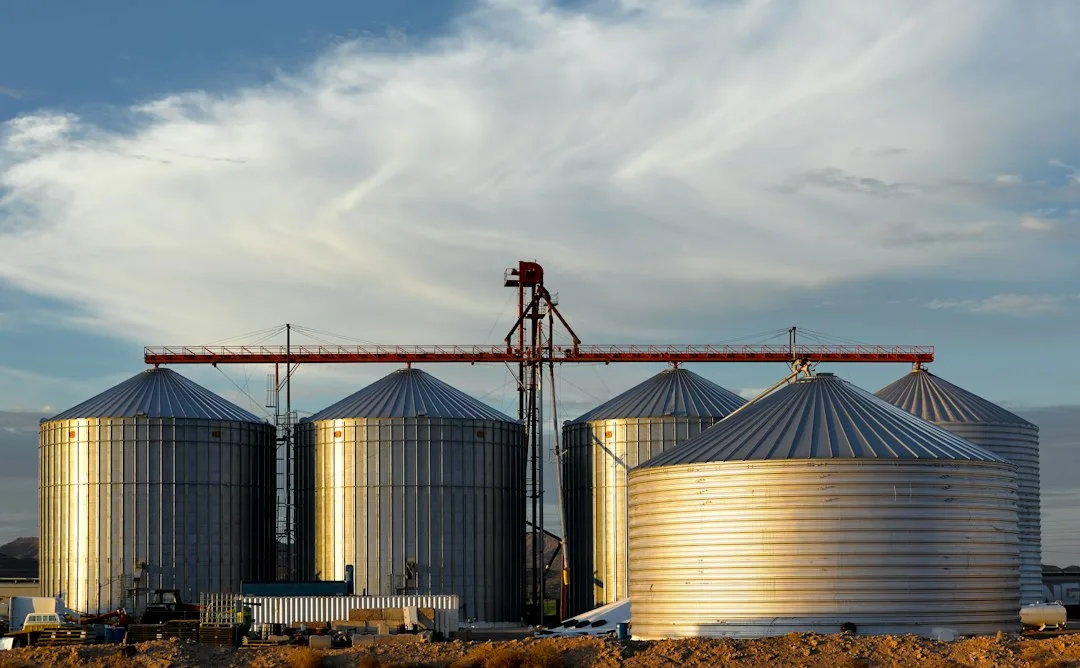
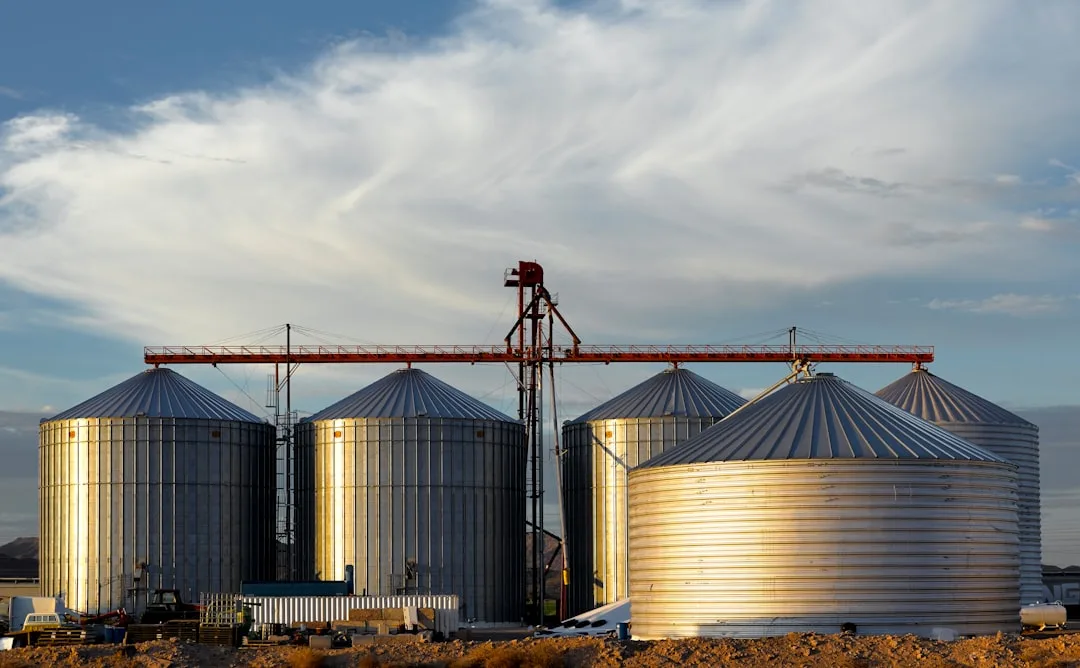
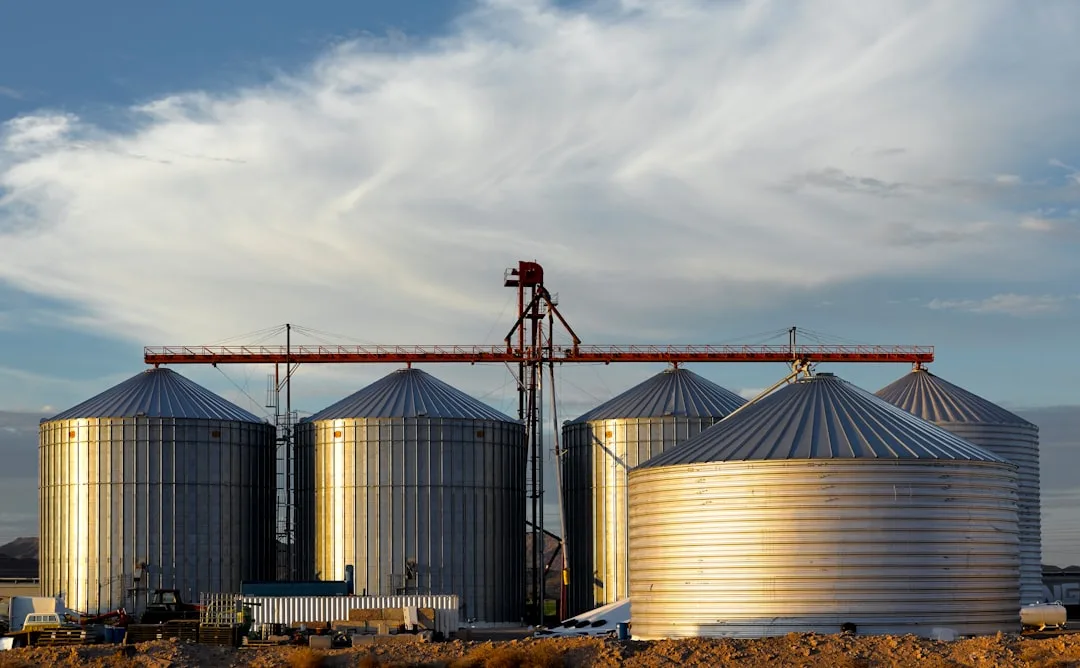
Row crop grain storage facility with commodity price volatility planning

Commodity price volatility planning is how successful row-crop producers separate guessing from strategy. This article explains the mechanics of price swings, why your budget breaks when you ignore them, and concrete steps to plan around volatility without needing perfect forecasts.

Storage Arbitrage Mechanics Shape Row Crop Revenue Timing

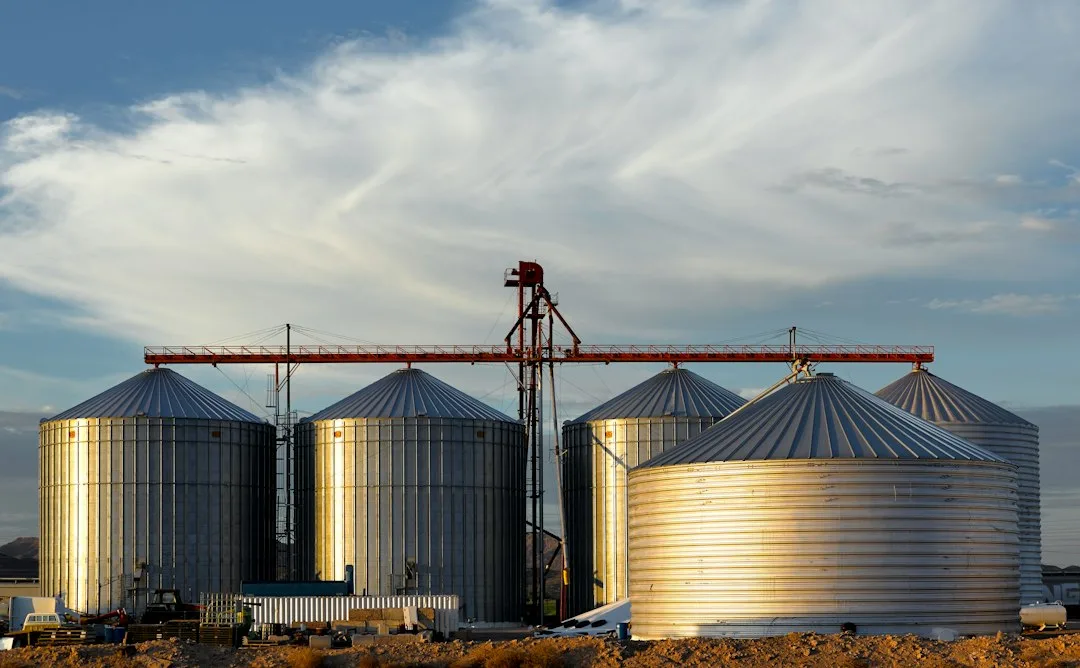
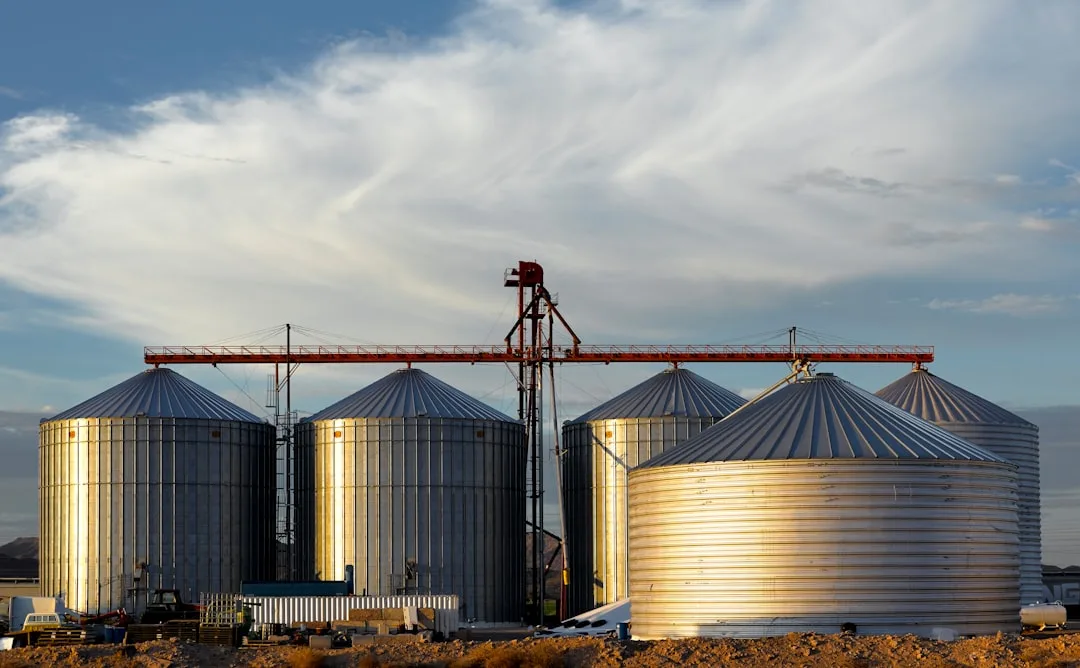
Grain storage bins in late harvest season with storage arbitrage mechanics labeled

Storage arbitrage—the profit (or loss) you capture by holding grain between harvest and spring—depends on three mechanics: the seasonal price spread, your carrying costs, and your storage capacity. Understanding how these align is the difference between a $0.20/bu margin and a loss.