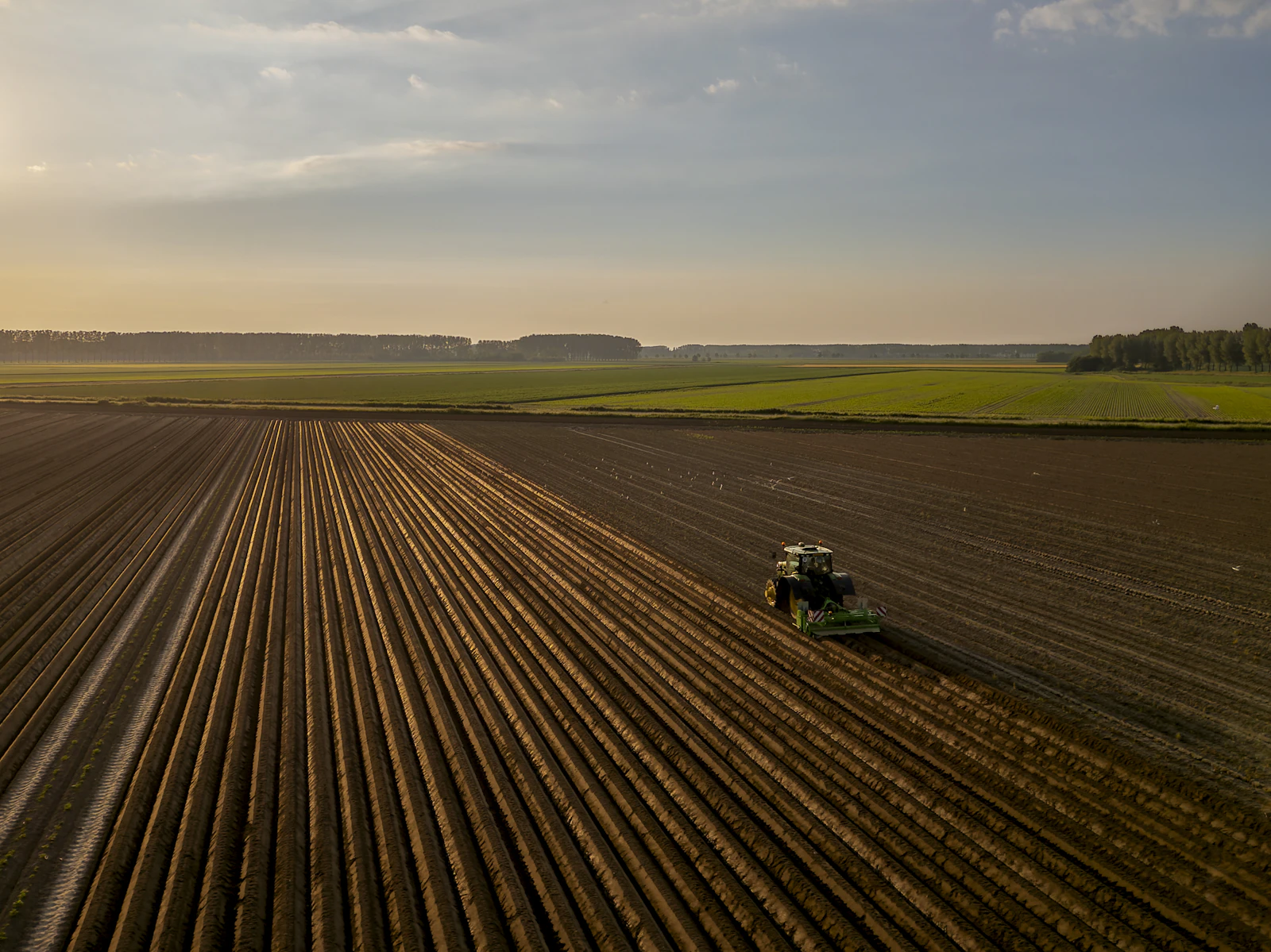
A corn grower in central Illinois walks into the NRCS Service Center in February, asks for cover crop money, and is surprised to hear that the money follows a resource concern, not a practice. That surprise is common. The EQIP program pays for fixing a problem on a specific field, and the practice is only the tool.
Once you see it that way, the paperwork makes sense. So does the ranking.
How the EQIP Program Turns a Field Problem Into a Contract
The Environmental Quality Incentives Program is run by USDA's Natural Resources Conservation Service. It offers technical help and financial assistance to producers who install conservation practices on working land.
The process starts with a resource concern, such as soil erosion, nutrient loss, or irrigation water use. An NRCS planner walks the fields with you and records what is wrong. Practices come second.
Each practice has a code and a standard, for example Cover Crop (340) or Nutrient Management (590). Payment comes after the practice is installed and certified. Cash flow matters here.
Contracts can run for several years, with practices scheduled field by field. That gives you time to install them in a sensible order. It also ties you to the dates you sign.
Quick Tips
- Get your FSA farm records and compliance forms in order before you call NRCS.
- Describe the problem on each field in plain words, with photos or maps.
- Ask which ranking period your application will land in.
- Pick practices you can install on the schedule you sign.
The NRCS EQIP Steps From Records to Payment
Most delays come from the first step, not the last. Eligibility requires farm records with the Farm Service Agency, a highly erodible land and wetland conservation certification (form AD-1026), and an adjusted gross income certification. Missing forms stall everything.
The table below shows what NRCS checks at each stage and what helps you move faster.
| Stage | What NRCS looks at | What you bring |
|---|---|---|
| Eligibility | Farm records, land control, compliance forms | FSA farm number, AD-1026 and AGI certification |
| Conservation planning | Resource concerns on each field | Maps, soil tests, yield and irrigation records |
| Ranking | How well the plan treats priority concerns | A focused plan tied to clear problems |
| Contract | Practices, units and schedule | Realistic start dates you can meet |
| Payment | Practice installed to standard and certified | Receipts, photos and as-applied records |
Applications are accepted year-round. Each state sets cutoff dates for ranking periods, and anything filed after a cutoff waits for the next one. Find your state's EQIP application cutoff before you plan the season.
What Ranking Rewards in a Strong Application
Ranking scores how well your plan treats the resource concerns that your state and local working group have marked as priorities. A plan that targets one clear problem with a matching practice often scores better than a long list of loosely related practices. Focus wins.
Good records help the planner see the problem quickly. Soil tests, yield maps, and irrigation logs all count. Our post on soil test records for nutrient management applications shows how one set of numbers can carry an application.
Precision-ag data fits naturally here. Zone maps show where erosion or nutrient loss actually happens. That makes the case concrete.
Local working groups, made up of producers, conservation districts and agency staff, help set those state and county priorities. If your county ranks irrigation water use high, a plan built around it will usually compete better than one built around a lower priority. Ask what ranks high locally.
NRCS EQIP Payment Rates and the State Payment Schedule
Each state publishes an NRCS payment schedule every fiscal year, listing a payment amount per unit for each practice. The rate is set from typical costs, so it will not match your exact invoice. Expect a gap.
As a rule of thumb, payments cover about 75% of typical practice cost for most producers and about 90% for historically underserved producers. The exact dollars depend on the practice, the unit, and your state's schedule. Ask your planner for the current one.
Read the schedule line by line before you agree to a practice. The unit matters as much as the rate. A cover crop is paid per acre, while a pipeline or fence is paid per foot, and the total depends on how many units the planner records for your fields.
Budget the full cost up front. Reimbursement arrives only after the practice is certified, so plan how you will carry that cost for several months.
The Biggest Mistake Producers Make With Cost-Share
The most common mistake is starting work before the contract is signed. Take a soybean grower who installs a new sprinkler package in spring, then applies for help with it in summer. That practice no longer qualifies.
EQIP generally pays for work done under an approved contract, not for work already finished. Starting early can cost you the whole payment. Wait for the signature.
A second trap is signing for more practices than you can install on time. Missed schedules lead to contract changes or cancellations. Keep the plan realistic.
A third trap is ignoring records after the contract is signed. Keep seed tags, invoices, as-applied maps and dated photos for every practice. Certification moves faster with them.
Choosing Between NRCS CSP and EQIP
The Conservation Stewardship Program pays producers who already manage land well to keep that work going and add enhancements across the whole operation. EQIP pays cost-share to install specific new practices. They serve different stages.
Many farms use EQIP first to put practices in place, then move to CSP to be paid for maintaining and building on them. Our post on Conservation Stewardship Program enrollment explains how that second step works.
Both programs start at the same Service Center. One conversation can cover both.
Try the Calculator
Estimate what EQIP pays toward a practice before you contact your local NRCS Service Center.
EQIP pays a set per-unit rate from each state's fiscal-year payment schedule — about 75% of a practice's typical cost, or 90% for historically underserved producers; this estimate applies those shares to your cost. NRCS limits each EQIP contract to $450,000 per person or legal entity; under the current farm-bill extension no separate aggregate per-producer limit applies (it applied to 2018 Farm Bill contracts through FY2023). Limits can change with new farm-bill legislation. Rates vary by state and county; verify with your local NRCS office. Find your state's EQIP application cutoff →
Find your state's EQIP application cutoff: Find your state's EQIP application cutoff.
Frequently Asked Questions
What is the EQIP program?
The Environmental Quality Incentives Program is a voluntary USDA program run by NRCS. It provides technical and financial help to producers who install conservation practices that address resource concerns on working land.
How do I apply for the NRCS EQIP program?
Visit your local USDA Service Center, set up farm records with FSA, and complete the eligibility forms. An NRCS planner then helps you build a conservation plan, and the application is ranked in your state's next ranking period.
How are NRCS EQIP payment rates set?
Each state publishes a payment schedule every fiscal year with a payment per unit for each practice, based on typical costs. Payments generally cover about 75% of typical cost, or about 90% for historically underserved producers.
When does EQIP pay out?
Payment usually comes after the practice is installed to the NRCS standard and certified. Producers should plan to cover the full cost until reimbursement arrives.
What is the difference between NRCS CSP and EQIP?
EQIP shares the cost of installing new practices. CSP pays producers to maintain existing conservation and add enhancements across the whole operation.