
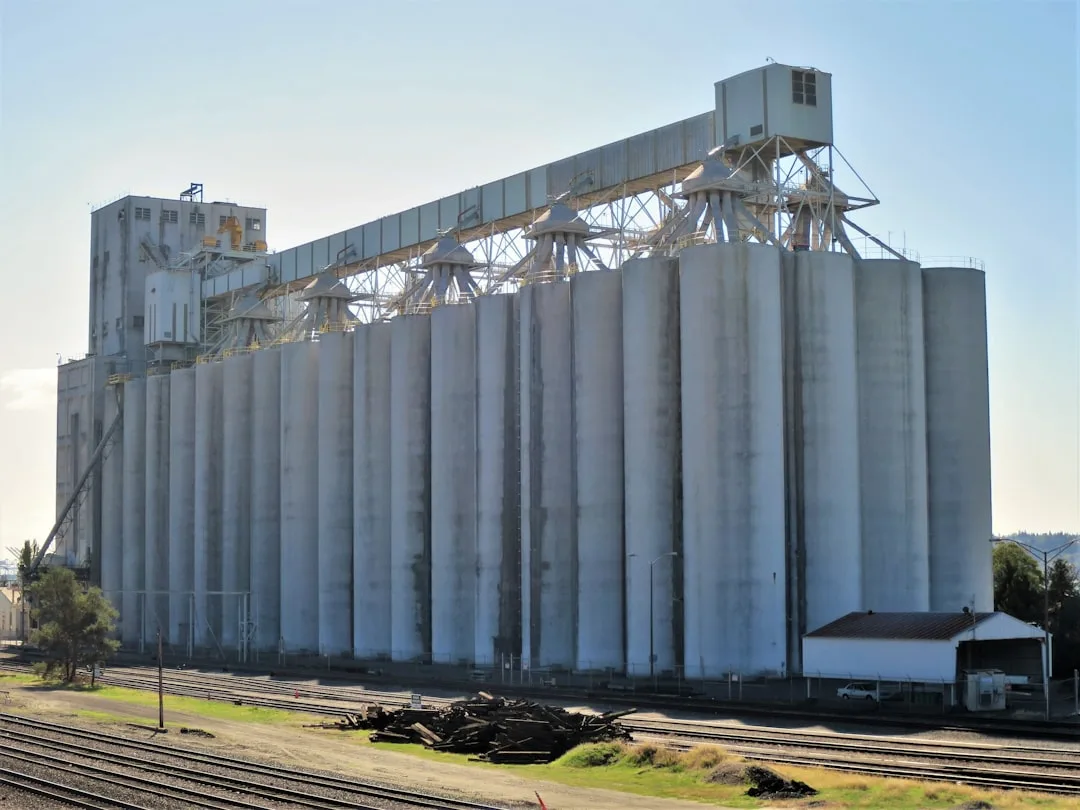
The price you see on a news ticker is not the price you get paid. Basis—the gap between the futures contract price and your local elevator's cash price—is where your actual revenue lives. A producer selling corn at the same CBOT futures price as a neighbor three counties over may pocket $0.15 more or less per bushel, depending entirely on local supply, transportation costs, elevator margins, and demand. Understanding basis and local pricing is not optional for protecting income.
What Basis Actually Is and How It Moves
Basis is the difference between the Chicago Board of Trade futures price and the cash price offered by your local grain buyer. If December corn futures are trading at $4.25 per bushel and your elevator offers $4.10, your basis is minus 15 cents. That negative basis is standard—elevators buy low, store, and sell into the futures market or to processors.
Basis is not fixed. It moves with the seasons, supply conditions, and the logistics of getting grain from your farm to end users. During harvest when supply floods the market, basis typically widens (becomes more negative) because elevators are full and margins are thin. In the off-season, basis often tightens because local grain is scarcer.
Weather, transportation bottlenecks, and competing demand from ethanol plants or livestock operations also shift basis daily. Learning your elevator's basis history across the year is the first step to smarter selling decisions.
Quick Tips
- Track your elevator's basis quote for the last 3–5 years by month to spot seasonal patterns.
- Call your elevator weekly during the marketing year and record both futures prices and their cash bids.
- Compare basis at two or three nearby elevators—prices vary, and so do buyer relationships.
- Use Why Marketing-Year-Average Price Matters More Than Monthly Swings to frame basis into your full-year pricing strategy.
Basis and local pricing mechanics at your elevator
Your elevator publishes a bid price that includes their basis. They buy at that price, hold grain in bins (paying interest and storage costs), and either sell it forward to a processor, export company, or ethanol plant, or liquidate it into the futures market. Their margin comes from the spread between what they pay you and what they collect.
Larger operations with direct contracts to end-users often have tighter basis because they have less storage risk. Small elevators, especially in regions with limited ethanol capacity or export access, often widen basis to protect themselves. Transportation distance to major hubs also matters: a farmer 200 miles from a port will see wider basis than one 20 miles away.
This is not a conspiracy. It is economics. Understanding it lets you choose your timing and buyer strategically.
| Pricing Scenario | Typical Basis Range | Key Driver |
|---|---|---|
| Harvest (Sep–Oct, corn) | –20 to –40 ¢ | Oversupply, full bins |
| Winter (Jan–Mar) | –10 to –25 ¢ | Moderate supply, normal storage |
| Late spring (Apr–May) | –5 to –15 ¢ | Tighter supply before new crop |
| Remote location (200+ mi from hub) | –30 to –50 ¢ | Transport and logistics cost |

The biggest mistake: selling only at harvest
Most producers sell 70–80 percent of their corn and soybeans in September and October because the grain is ready and storage is limited or expensive. This predictability means elevators know they will be flooded, so they widen basis aggressively. A farmer with no storage selling 5,000 bushels in early October at minus 35 cents might have sold 2,000 bushels at minus 12 cents in January and 3,000 at minus 8 cents in April—same futures price year-to-date, but $0.27 more per bushel total revenue.
Storage does not have to mean grain bins on your farm. Many elevators offer storage contracts, rural grain cooperatives offer deferred-payment options, and some contract houses lease storage. The cost varies by region and year, but even at $0.08–$0.12 per bushel for nine months of storage, spreading sales improves basis capture significantly.
The mistake is not storing or spreading—it is selling when everyone else does without looking at your alternatives.
Monitoring basis trends for your region
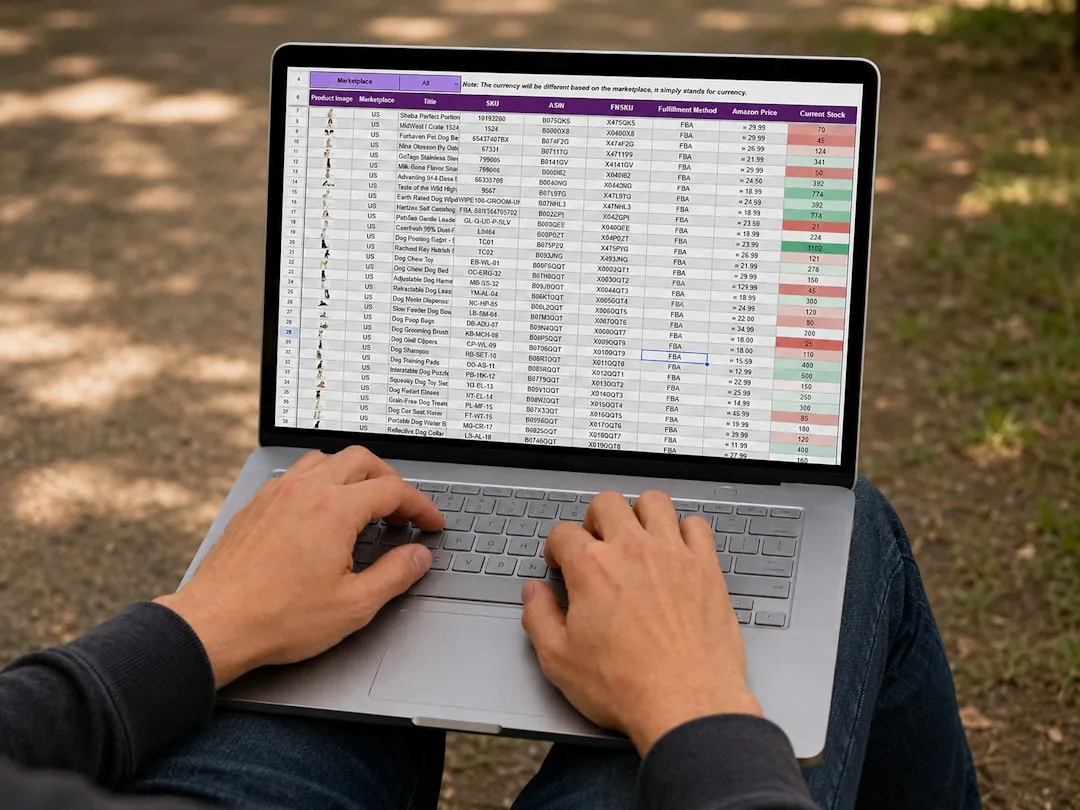
Your state's basis data sits in USDA reports, but it is aggregated. The most practical approach is to log basis at your primary elevators for 12 months minimum. Create a simple spreadsheet: date, futures price (CBOT December corn, March soybeans, or whatever contract is relevant), your elevator's cash bid, and the calculated basis.
After six months of data, seasonal patterns emerge. Zoom in on the weeks or months when basis historically tightens—those are your premium-selling windows. Then use futures contracts or options to lock in the upside while you are waiting to deliver physical grain.
Check your state's current price and compare it against public CBOT futures quotes to build your own basis benchmark.
Basis risk and contract strategy
Basis can move unexpectedly. A drought 200 miles away can tighten your regional basis as buyers seek grain closer to home. A new ethanol plant opening near a competitor can permanently widen your basis by adding buyer competition. Forward contracts, basis contracts, and futures hedges are tools to manage these swings.
A basis contract locks in the basis component while letting you benefit from upward futures moves. If you agree to sell corn at CBOT plus 15 cents (positive basis contract), you have certainty on your elevator's margin, and you can watch the futures and decide when to lock in price. This is harder to access for small producers, but larger operations and cooperatives use this constantly.
Understanding your elevator's terms, delivery windows, and basis history gives you the negotiating power to ask for it.
Frequently Asked Questions
What is the difference between basis and the price I see on the news?
The news price is the futures contract (CBOT). Your actual price is futures minus basis. If futures are $4.25 and your basis is minus 20 cents, you receive $4.05. Basis varies by location and season.
Why is basis negative?
Basis is negative because elevators buy your grain, store it, and sell it later. They keep the spread to cover interest, storage, labor, and risk. Negative basis is standard and expected.
Can I improve my price by selling later in the year?
Yes, often. Basis typically tightens (becomes less negative) in winter and early spring when supply is tighter. Selling 30–40 percent of your crop later can add meaningful cents per bushel, minus storage costs.
How do I find out my local basis?
Call your elevator's quote line, record their cash bid, and compare it to the CBOT futures price for the same contract. Do this weekly for several months to build a pattern.
Should I lock in basis with a contract?
If your elevator or a grain company offers a basis contract, ask about it. Locking in a known basis lets you focus on hedging futures price risk separately, which is cleaner risk management.
Does basis vary between corn and soybeans?
Yes, significantly. Soybean basis is often wider (more negative) than corn because fewer elevators handle soybeans and transportation costs are higher per unit. Track each crop separately.
Related Articles
Related: How Crop Price Volatility Hedging Protects Row Crop Revenue