
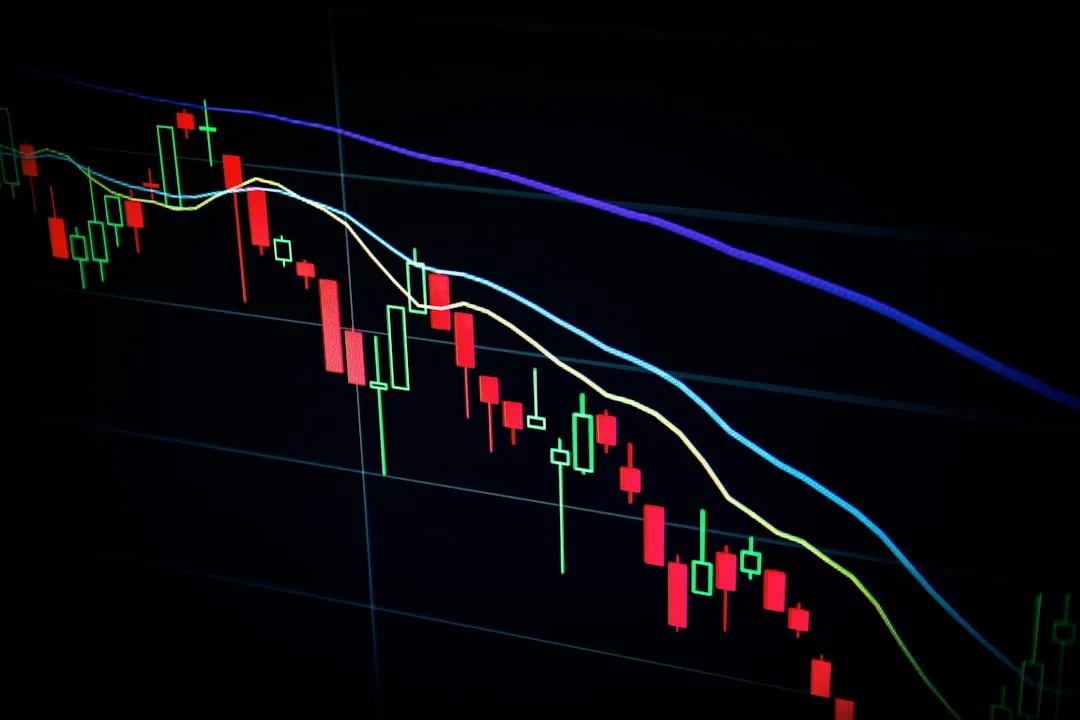
A bushel of corn can swing $0.50 to $1.00 or more from spring to harvest—the difference between a profitable year and one where you break even or lose ground. That's crop price volatility hedging: the practice of locking in price exposure before harvest so that rain, geopolitics, or supply reports don't destroy the economics of your operation. Unlike forward contracting, which is a simple sale agreement with your elevator, hedging works through futures markets and options—tools that let you hold risk while you harvest, then offset that risk when you're ready to sell physical grain.
Check your state's current price: Check your state's current price.
Crop price volatility hedging protects your margins from unexpected swings
Price volatility matters because your costs are largely fixed: seed, fuel, labor, land rent, and equipment depreciation don't change much after you plant. Yield might vary by 10 to 20 percent year to year, but price can move 25 percent or more in a single month. When price moves down after you've already spent cash on inputs, margin evaporates fast.
Most farmers sell physical grain when they're ready to harvest, accept whatever the local cash price is that day, and hope it's not the bottom. That's a passive stance: you're exposed to every headline, weather report, and supply shift between now and November.
Hedging inverts that: you decide in advance—early summer, July, or even before planting—what downside you'll accept, then use futures or options to cap losses while you keep upside if prices rally. That discipline turns price swings from threats into managed risks.
Quick Tips
- Hedge in stages: sell 25–50 percent of expected production in summer, rehedge if price rallies, lock the rest closer to harvest.
- Use put options if you want to keep upside: you pay a premium upfront, but you're protected if price falls below your strike.
- Track basis alongside futures: a rally in December corn futures doesn't help if your elevator basis widens and local cash price stays flat.
- Never hedge 100 percent of production without a plan to adjust if yield is light or heavy; mismatched forward sales and harvested bushels create cash-settlement risk.
Futures Contracts and How Hedging Works in Practice
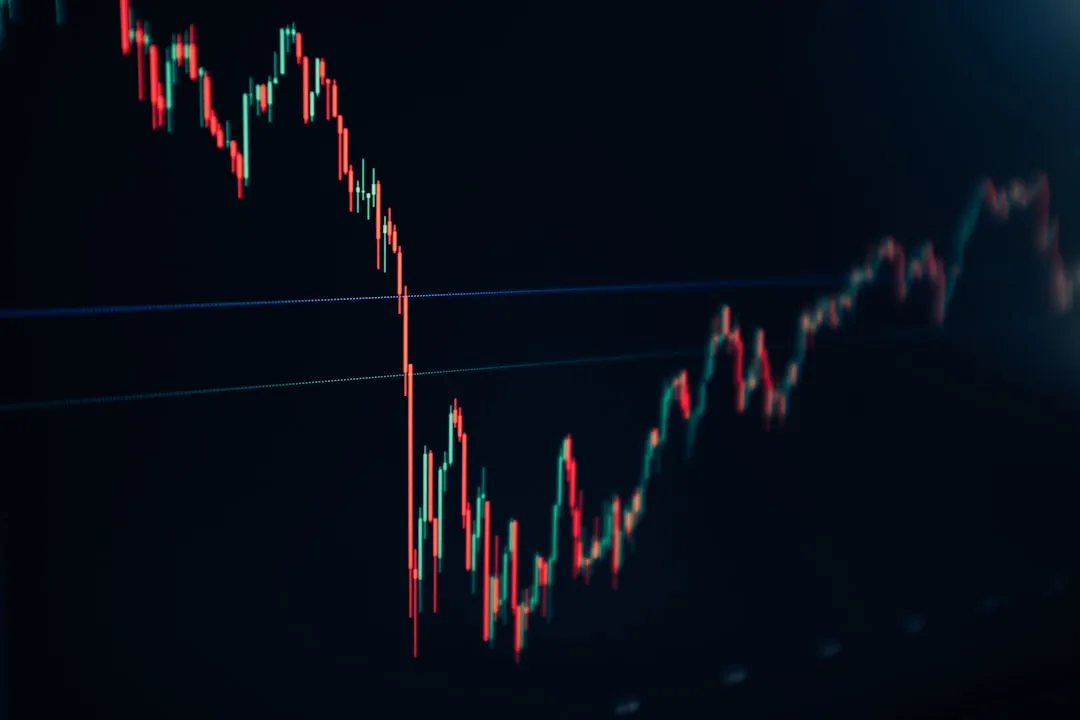
A corn or soybean futures contract is a standardized agreement to buy or sell 5,000 bushels at a set price on a set date (December, March, May, November). You don't own the grain; you own the price exposure. When you sell a futures contract— contract—you're betting the price will fall (or at least that locking in today's price protects you). When you buy a futures contract, you're betting it will rise or hedging a short cash position. The key is that futures move in lockstep with market sentiment; if a drought rumor hits, December corn futures spike, and your short position gains value—offsetting lower cash bids at the elevator.
Why Cash Price and Futures Price Don't Always Move Together
Basis—the difference between your local cash price and the futures contract price—is where many hedgers stumble. A strong December futures rally doesn't automatically lift your elevator's bid if transportation costs rise, storage fees tighten supply at your local facility, or buyer demand weakens. You can hedge futures perfectly and still face a wider (more negative) basis at harvest, leaving you with less money than expected. Understanding why marketing-year-average price matters more than monthly swings helps you plan hedges across multiple months rather than locking everything into one contract. Basis risk is real, and ignoring it is a common reason hedges underperform.
Building a Practical Hedging Calendar for Your Operation
Most successful grain farmers don't hedge on day one of the crop year. Instead, they layer hedges: 25 percent in June, another 25 percent in July, 25 percent in August, and hold the final 25 percent to react to late-summer weather or yield updates. This approach smooths price risk and lets you sell into strength without gambling on timing the absolute top. You can also combine futures with forward contracts—locking cash sales at your elevator while using futures to manage the time gap between forward sale and delivery. How forward contracting works for row crop revenue lock shows how this dual strategy reduces both price and delivery uncertainty.
Managing Hedges When Yield Forecasts Change
A critical mistake is treating your hedge as sacred once it's in place. If July rains boost yield expectations and your soil moisture looks excellent, you may want to add hedges. If a heat wave or disease outbreak cuts yield projections sharply, you should reduce hedges—especially if you've locked in sales tonnage that exceeds what you'll actually harvest. Mismatches between hedged bushels and harvested bushels force you into cash settlement (buying grain at market prices to fulfill contracts) or costly roll-forwards. Use yield data from scouts, agronomic models, and elevator conversations to adjust hedges quarterly. Your hedge is a living tool, not a set-it-and-forget-it formula.
Try the Calculator
Estimate gross revenue at this month's price or the marketing-year-average.
Gross revenue only, not net income. Prices: USDA NASS national price received, Aug 2026 (updated automatically). Check your state's current price →
Check your state's current price: Check your state's current price.
Frequently Asked Questions
What's the difference between hedging and speculating?
Hedging locks in a price for grain you will actually grow and sell; you use futures to offset price risk on real production. Speculating means buying or selling futures without owning the underlying grain, betting on price direction purely for profit. Hedging is risk management; speculating is taking risk. Never speculate with borrowed money or grain sales contracts you can't back.
Do I need to use a futures broker or can my elevator do it?
Most elevators offer forward contracts but not futures. You'll need a commodity futures broker (CFTC-registered) to trade futures or options. Brokers charge small commissions (usually $10–20 per contract round-trip) and require you to maintain a brokerage account and fund margin deposits separately from your operating account.
What happens to my futures position if price moves against me?
Your broker calculates daily gains and losses (called "mark-to-market"); losses are deducted from your margin deposit each day. If your margin falls below the minimum requirement, your broker issues a margin call and you must deposit more cash within 24 hours or the broker will liquidate your position automatically, locking in losses.
Can I hedge crop I haven't planted yet?
Yes; this is called "pre-harvest hedging" and is common. You can sell futures for next year's expected production months before you plant. The risk is that yield might be higher or lower than expected; if you sell 50,000 bu and only harvest 40,000, you'll have a short futures position (you're obligated to buy back excess contracts at whatever price prevails at settlement).
Is hedging more tax-efficient than forward contracts?
Futures gains and losses are taxed under Section 1256, which treats 60 percent as long-term and 40 percent as short-term capital gains (a favorable blended rate). Forward contract gains are ordinary farm income and taxed at your marginal rate. Talk to your accountant; the tax difference can be material if you're hedging large volumes.
What's a reasonable premium to pay for a put option?
Put option premiums range from 3 to 20 percent of the grain's cash value, depending on how far below current price the strike is set, how much time remains, and market volatility. A "far out of the money" put (strike well below current price) costs less but protects less; an "at the money" put (strike near current price) costs more but gives immediate downside protection.
Related Articles
Related: How Commodity Price Cycles Shape Your Planting and Selling Strategy
Related: How Commodity Price Spreads Shape Your Grain Storage and Sales Timing