Your EQIP cost-share contract doesn't end when the installer finishes and the check clears. NRCS conducts EQIP environmental compliance audits throughout your contract term—sometimes years after you install a practice—to verify that the practice you built still meets program specifications and is being used as intended. Knowing what audits inspect, what triggers them, and how to maintain audit-ready records is the difference between holding your payment and losing cost-share dollars to non-compliance findings.
Find your state's signup window: Find your state's signup window.
What EQIP Environmental Compliance Audits Actually Inspect
An EQIP environmental compliance audit is NRCS's on-the-ground verification that an installed practice matches the original contract specification. The technician compares the physical practice—the cover crop acres, the buffer width, the structure dimension, the soil amendment rate—against the signed contract document and the NRCS practice standard code that governs it.
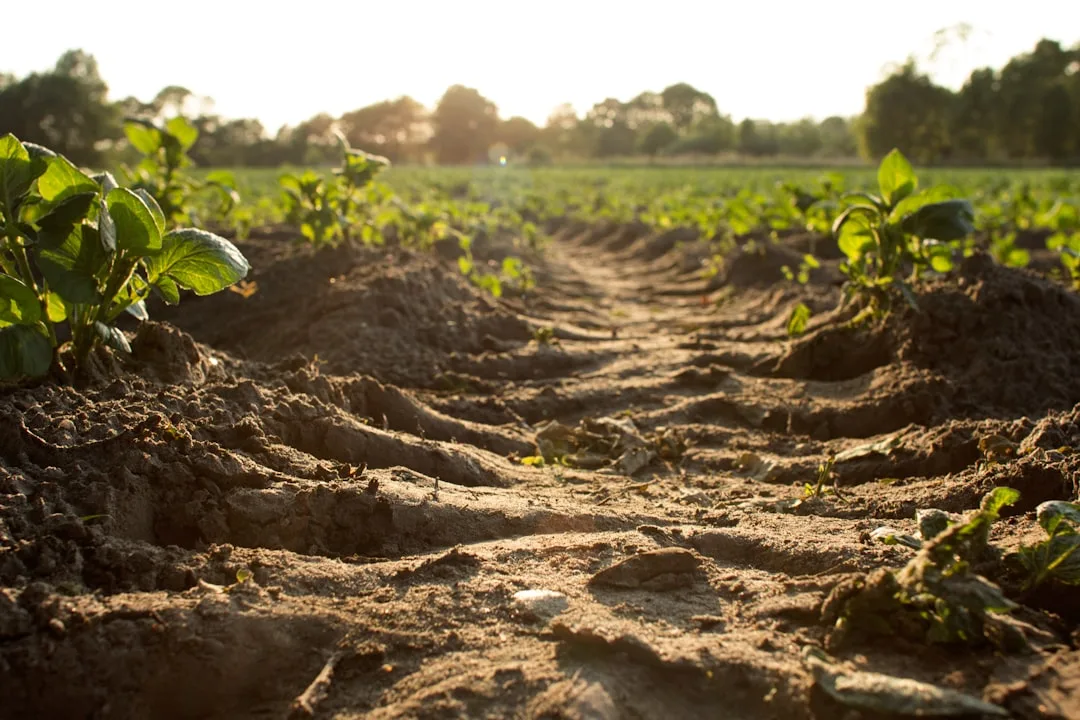
For row-crop practices like cover crops, no-till, or conservation crop rotation, the audit checks acreage enrolled, planting date documentation, species planted, termination timing, and herbicide or mechanical kill records. For structural practices like sediment basins or terraces, NRCS measures dimensions, grades, and material composition.
Audits also verify that you maintained the practice for the full contract period. If your contract runs five years and you plow up a cover crop in year two, an audit in year three will find a broken contract, even if you planted it again later.
Quick Tips
- Keep photographs dated and geotagged of every installed practice before, during, and after installation.
- File all receipts, seed invoices, applicator records, and termination documentation in one accessible folder by year and field.
- Request a copy of your signed EQIP contract and the specific NRCS practice code standard before installation begins.
- Ask your NRCS representative in advance: what does the audit checklist include for your specific practices?
When NRCS Triggers Environmental Compliance Audits and Who Inspects Them
NRCS does not audit every contract every year. Audits are triggered by risk factors: producer complaint, random multi-year sampling, practice age (older installed practices are re-checked periodically), or change in land use or contract status.
A technician from your local NRCS office—sometimes the same person who approved your contract, sometimes a specialist from another county—arrives unannounced or with brief notice, walks the field, photographs the practice, and checks your records on-site or requests them within days. The technician files an audit report that either clears you for compliance or flags non-compliance findings.
Non-compliance does not always mean you forfeit cost-share. Minor deviations—cover crop planted three days late, buffer strip 2 feet narrower than spec—often allow a correction period. Major deviations—wrong species, entire practice abandoned, falsified records—trigger repayment demand and potential contract termination.
The Number One Audit Mistake Producers Make
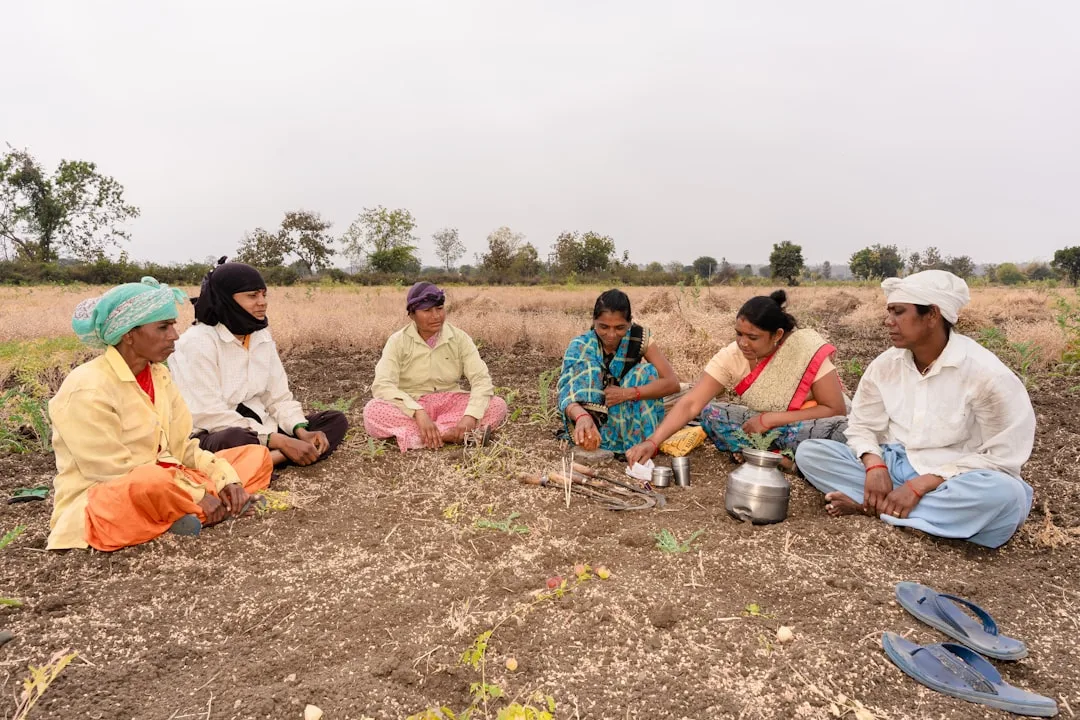
The most common failure mode is poor or missing record-keeping, not practice failure. A producer installs cover crops faithfully, maintains them correctly, but loses receipts, photos, and planting records. When audited three years later, they can describe the practice in detail but cannot prove it.
NRCS auditors deal in documents, not memories. If you have no dated photo of your cover crop in the boot stage, no seed invoice showing the tonnage purchased, and no applicator record from your neighbor's equipment, the technician cannot verify that the correct species was planted at the correct rate, even if you did everything right.
Documentation Standards That Actually Satisfy NRCS Auditors
NRCS auditors follow a paper trail, and that trail must be contemporaneous—created during or immediately after the practice installation, not reconstructed years later. A dated photograph with field identifiers, GPS coordinates, or visible landmarks becomes proof. An equipment specification sheet paired with a field map showing treatment boundaries transforms a contractor invoice from useless to defensible. Seed receipts stamped with the purchase date and product name, combined with planting records that show acreage and application rate, create a verifiable record that matches your cost-share contract.
Farmers who document successfully maintain separate folders for each practice and each contract year. They photograph cover crops at multiple growth stages, keep all receipts in chronological order, and request written confirmation from contractors that includes field location and treatment specifications. When you understand that Why EQIP Soil Health Practices Matter More Than Equipment Grants, you prioritize the record-keeping infrastructure that proves your commitment to soil health—not just equipment purchases.
How Missing Records Trigger Cost-Share Disqualification
A single missing document can disqualify an entire practice from cost-share reimbursement, even if the practice was installed and maintained correctly. NRCS operates under strict accountability rules: if the auditor cannot verify through documentation that your work matched the approved contract, the agency cannot pay. This is not punitive—it is how federal programs protect taxpayer funds and maintain the integrity of conservation programs.
Farmers who lose records after three or four years may find themselves unable to recover any portion of their cost-share payment. The reimbursement window remains open only if documentation is complete at the time of audit verification. Understanding EQIP Cover Crop Cost-Share Timing and Signup Mechanics includes recognizing that documentation deadlines are as critical as planting deadlines. Your record-keeping system must outlast the practice itself.
Try the Calculator
Estimate what EQIP pays toward a practice before you contact your local NRCS Service Center.
EQIP pays a set per-unit rate from each state's fiscal-year payment schedule — about 75% of a practice's typical cost, or 90% for historically underserved producers; this estimate applies those shares to your cost. NRCS limits each EQIP contract to $450,000 per person or legal entity; under the current farm-bill extension no separate aggregate per-producer limit applies (it applied to 2018 Farm Bill contracts through FY2023). Limits can change with new farm-bill legislation. Rates vary by state and county; verify with your local NRCS office. Find your state's signup window →
Find your state's signup window: Find your state's signup window.
Frequently Asked Questions
How often does NRCS audit EQIP practices?
NRCS does not audit every contract every year. Audits are risk-based, triggered by random sampling, practice age, producer complaint, or land-use change. Some contracts are never audited; others are re-checked at year 3 or year 5 of the contract term.
What happens if my cover crop documentation is incomplete?
If NRCS audits your cover crop and finds missing records, they issue a documentation non-compliance finding and give you 30 days to submit missing invoices, photos, or planting records. If you have the documents, respond immediately and the finding is usually cleared.
Can I fix a practice after an audit finds it doesn't meet spec?
Yes, often. Minor deviations allow a correction period. For example, if a buffer strip is 2 feet too narrow, NRCS may allow you to expand it within 60 days. Major breaches, like abandoning the entire practice, typically require repayment.
What should I photograph when I install an EQIP practice?
Take dated, geotagged photos before installation, during installation showing equipment and work, and after installation showing the finished practice. For cover crops, take mid-season photos showing plant density. For structural practices, photograph dimensions and materials.
What is the most common reason EQIP audits fail?
Poor or missing record-keeping, not practice failure. Producers install practices correctly but lose invoices, photos, or applicator records. When audited years later, they cannot prove what they actually did, even if they did it right.
Do I need to notify NRCS if I want to change a practice before the contract ends?
Yes. Any change—ending a practice early, modifying acreage, or switching to a different approved practice—requires a contract amendment. Making changes without NRCS approval triggers non-compliance and may result in repayment demands.
Related Articles


Related: EQIP Practice Reverification Requirements Protect Your Cost-Share Funds
Related: How EQIP Payment Rate Locks Protect Your Cost-Share Returns