
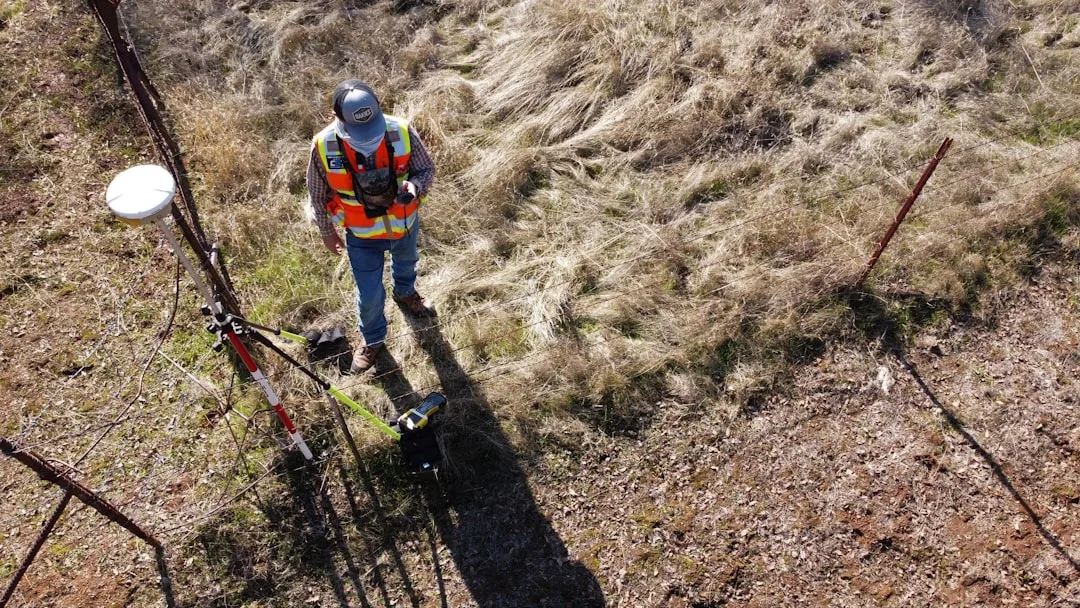
Most row-crop producers understand that EQIP cost-share practices require an initial inspection before payment. What many miss: EQIP practice reverification requirements mean NRCS can inspect your approved practices any time during your contract—sometimes years after installation—and if you haven't maintained them, you lose cost-share dollars and may face contract amendments or termination.
This isn't theoretical risk. A producer who installed a cover crop practice, received full payment, then abandoned it after year one faces reverification failure and clawback liability. Understanding when, why, and how reverification happens protects both your funding and your contract.
Understanding EQIP practice reverification requirements and what triggers them
NRCS does not reverify every practice every year. Reverification typically happens when a new conservation plan is written, when a producer applies for a contract renewal, when a practice code is selected for agency-wide quality assurance, or when a neighbor or agency staff member reports apparent non-compliance.
Soil health practices—cover crops, reduced-till, prescribed grazing—face higher reverification likelihood because performance is observable and long-term commitment is contractual. A cover crop that dies in winter and is never replanted will fail reverification. Minimum till acreage that reverts to conventional practice will fail reverification.
Equipment-based practices like nutrient applicators or conservation tillage machines face lower reverification pressure if the equipment still exists and maintenance records are available. But documentation is still required.
Quick Tips
- Photograph your EQIP practices at installation and at least once per contract year
- Keep receipts, application records, seed invoices, and maintenance logs in one file
- If a practice fails (cover crop dies, no-till equipment breaks), notify your NRCS contact immediately—amendment beats reverification failure
- Use your practice contract as a reverification checklist; it lists exactly what NRCS expects to see
- When reverification occurs, respond within the timeline given; silence counts as non-compliance
The Reverification Inspection Mechanics
An NRCS reverification typically involves a field visit by the same or different NRCS conservationist. They bring your practice contract, the original specification sheet, and a checklist aligned to the practice code.
For cover crops, they check: planting date, acreage, species (if specified), pest/disease issues, and termination date. For reduced-till, they look at residue cover, soil disturbance evidence, and equipment maintenance records. For nutrient management, they review application rates, timing, and soil test records.
The reverification isn't about perfection—a cover crop with some weed pressure or partial winter kill may still pass if it demonstrates the intended conservation benefit. But complete abandonment or obvious neglect will fail.
| Practice Code | Reverification Focus | Document Type |
|---|---|---|
| Cover Crop (340) | Species, acreage, planting/termination dates | Seed receipt, field photos, termination record |
| Reduced Till | Residue cover, equipment condition | Equipment maintenance log, field photos |
| Nutrient Management | Soil test date, rate application, records | Soil test report, application records, fertilizer tickets |
| Conservation Buffers | Vegetation establishment, species presence | Planting receipt, establishment photos, maintenance notes |
The Biggest Mistake — Treating Reverification as Optional
The most common failure happens when a producer receives their initial EQIP payment, moves on to other farm tasks, and assumes the contract is closed. Six months or two years later, an NRCS reverification notice arrives—and the producer either ignores it or shows up without documentation.
Example: A producer installed a two-year cover crop, got paid after year one, then did not replant in year two due to cash flow pressures. At reverification, NRCS finds no cover crop on the contracted acreage. The producer then claims "I'll plant it next fall," but the contract was for continuous implementation. Reverification fails, and the producer faces potential cost-share recapture (clawback) of all or part of the payment received, plus contract termination that prevents future EQIP signup for several years.
Prevention is simple: treat your EQIP contract as a living document that requires active maintenance, not a one-time event.
Documentation Practices That Pass Reverification
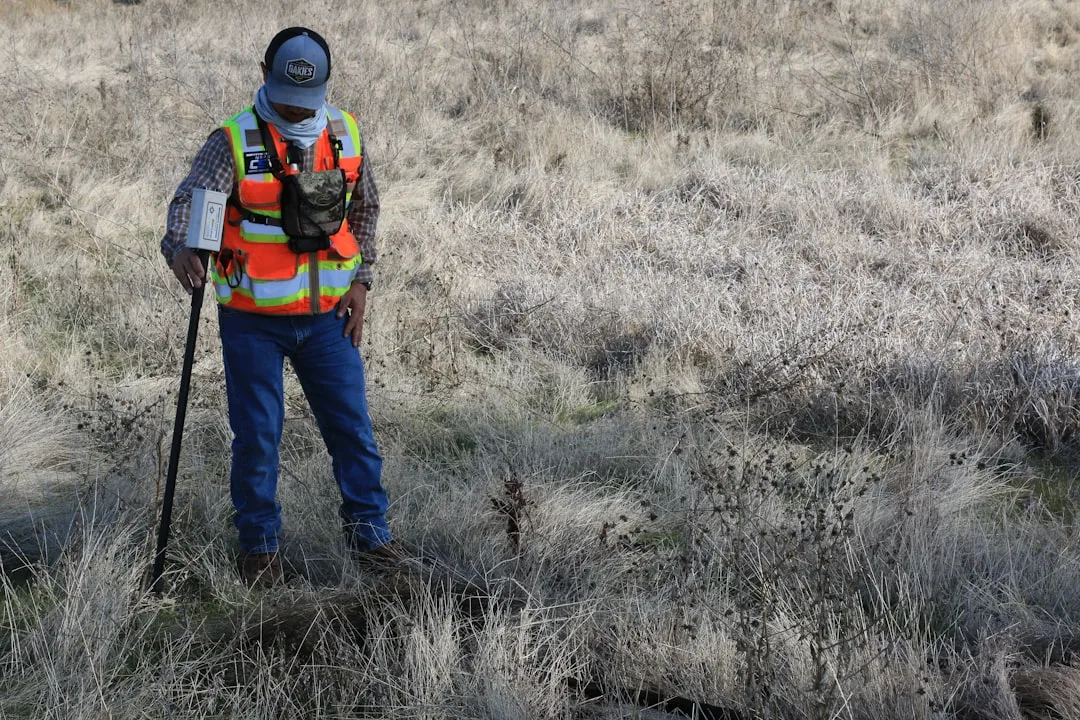
Reverification success hinges on records. Create a practice file for each EQIP-funded activity: contract, practice specification, installation date, cost receipts, photos from day one, and annual maintenance/monitoring photos.
For cover crops specifically, retain seed invoices with species and planting date, field notes on establishment dates, termination method and date, and photos taken at key growth stages. EQIP Cover Crop Cost-Share Timing and Signup Mechanics details the contract timing; your documentation must align with those dates.
For soil health practices more broadly, photo documentation is your best defense. A timestamped photo of residue on soil, green cover in winter, or buffer establishment is faster and clearer than written explanation. Store photos with dates in a folder labeled by field, practice, and year.
Responding to Reverification Notice
When NRCS sends a reverification notice, respond immediately—do not wait. Acknowledge the notice, confirm the inspection date, and gather all documentation beforehand. If the inspection date is inconvenient, ask for rescheduling in writing, but do not ignore the request.
Before the inspector arrives, walk your field. If a practice appears at risk (sparse cover crop, weed-heavy buffer), take recent photos and note what maintenance actions you've taken. Have your file ready: contract, receipts, photos, logs. Let the NRCS technician complete their assessment, then provide your documentation and ask for written results.
If reverification fails, NRCS will offer an amendment window—usually 30 to 60 days—to restore compliance. Do not skip this step. Amendment is far cheaper and faster than contract termination and clawback proceedings.
Long-Term Contract Renewal and Reverification Timing
EQIP contracts typically run five to ten years. Reverification intensity often increases near contract renewal because NRCS must certify that existing practices are still in compliance before approving renewal signup. Find your state's signup window and plan reverification preparation before that renewal notice arrives.
If you're entering a contract renewal year, assume reverification is coming. Update your practice file, photograph all contracted acreage, and ensure equipment maintenance is current and documented. This proactive approach often results in passing reverification on the first visit.
Reverification is not punishment; it is accountability. Maintaining documented, active compliance with your EQIP contract protects your funding, your reputation with NRCS, and your eligibility for future cost-share programs. Start now.
Try the Calculator
Estimate what EQIP pays toward a practice before you contact your local NRCS Service Center.
EQIP pays a set per-unit rate from each state's fiscal-year payment schedule — about 75% of a practice's typical cost, or 90% for historically underserved producers; this estimate applies those shares to your cost. NRCS limits each EQIP contract to $450,000 per person or legal entity; under the current farm-bill extension no separate aggregate per-producer limit applies (it applied to 2018 Farm Bill contracts through FY2023). Limits can change with new farm-bill legislation. Rates vary by state and county; verify with your local NRCS office. Find your state's signup window →
Find your state's signup window: Find your state's signup window.
Frequently Asked Questions
How often does NRCS reverify EQIP practices?
There is no fixed schedule. NRCS reverifies when a new conservation plan is written, during contract renewal, or when a practice is selected for agency quality checks. Some practices may never be reverified; others may be checked multiple times. Soil health practices are reverified more often than equipment-based ones.
What happens if my EQIP practice fails reverification?
NRCS typically offers an amendment window (30–60 days) to restore compliance. If you do not remedy the issue, your contract may be terminated and you may face cost-share clawback, meaning repayment of all or part of funds received. Future EQIP eligibility can also be delayed.
Do I need photographs for reverification?
Photographs are not always required, but they are your strongest evidence. Timestamped field photos showing cover crop establishment, residue cover, or practice maintenance are nearly impossible to dispute and significantly increase reverification pass rates.
Can I amend my EQIP practice if I know it will fail reverification?
Yes. Contact your NRCS conservationist before reverification happens and request a contract amendment. Voluntary amendment is far simpler and faster than failing reverification and then appealing. You may be able to modify acreage, timing, or practice type.
What documents should I keep for reverification?
Keep your signed EQIP contract, practice specification sheet, equipment/seed receipts, maintenance logs, soil test reports (if applicable), and timestamped field photos taken at installation and annually. Organize them in one file by field and practice.
Does reverification happen on every field in my contract?
Not necessarily. NRCS may reverify a subset of your contracted acreage or a sample of practices. However, if one practice fails, it can affect your entire contract status, so maintain all practices at the same standard.
Related Articles

Related: How EQIP Payment Rate Locks Protect Your Cost-Share Returns
Related: EQIP Application Timing Determines Row Crop Cost-Share Success