
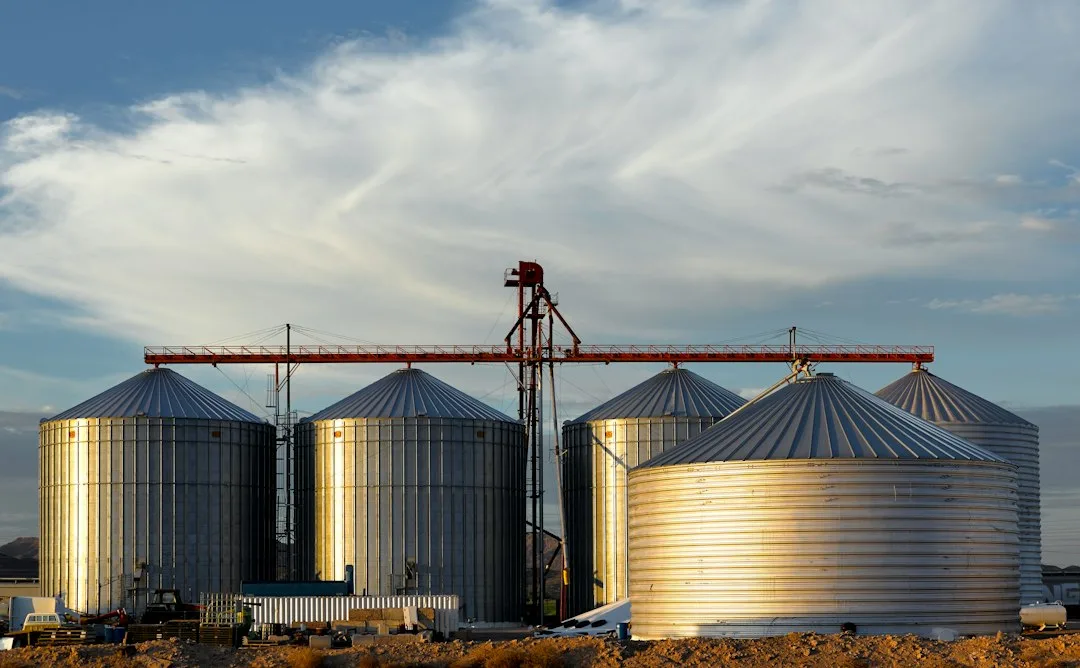
Your corn arrives at the elevator on October 15th. The December futures contract trades at $4.10 per bushel in Chicago. The elevator's bid sheet shows $3.78. That 32-cent gap—local grain basis—is the actual margin between what the market theoretically pays and what lands in your account. Understanding local grain basis mechanics is not optional; it is the difference between a profitable harvest and a disappointing one.
Basis is not random. It reflects real costs: transportation from your field to the elevator, storage, handling, cleaning, and the elevator's own profit margin. It also reflects supply and demand at your specific location. When every farmer within 50 miles delivers grain on the same week, basis widens because elevators are full and have no urgent need to buy. When elevators have space and need inventory, basis tightens and your price improves.
Check your state's current price: Check your state's current price.
Understanding how futures price and local grain basis affect your payment
Basis calculation is straightforward: your local cash price minus the relevant futures contract price equals your basis. If December corn futures are $4.10 and your elevator bid is $3.78, your basis is −$0.32 (negative 32 cents). Negative basis is normal and expected; it covers the costs of getting your grain to the futures market.
The futures price itself is determined by global supply, demand, weather, and financial traders. You cannot control that price. What you can influence is when and how you receive that futures component, and how you manage—or minimize—the local basis you pay.
Many producers confuse futures price movement with their own return improvement. They watch December corn climb from $4.05 to $4.25 and assume their check will improve by 20 cents. But if basis widens at the same time—from −$0.30 to −$0.50—your actual local bid moves only from $3.75 to $3.75. No gain. Why Your Crop Price Expectations Should Align With Market Realities explains why this disconnect happens so often.
Quick Tips
- Track basis separately from futures price; they move independently.
- Basis typically widens (becomes more negative) during peak harvest weeks at your location.
- Call your elevator and ask for 5-year basis history on your preferred contract months.
- Sell grain when basis is tight, not when futures are at their yearly high.
- Use basis alerts or a grain price app to monitor your local elevator bid daily.
Why Basis Widens at Harvest and Narrows in Winter
Basis is not static across the marketing year. It expands and contracts on a predictable seasonal cycle driven by elevator capacity and regional supply gluts. During the first two to four weeks of harvest, elevators are eager to buy and storage is available; basis may tighten to −$0.20 or better. Within two months, elevators are full, farmer delivery pressure peaks, and basis can widen to −$0.50 or worse.
As winter progresses and farmers' grain supplies diminish, elevators need to release stored grain to refineries and exporters. Storage space opens. Basis tightens again. By spring or early summer, basis may tighten to −$0.15 or −$0.10 because local supply is scarce and elevators are competing for inventory.
This cycle repeats every year. Why Marketing-Year-Average Price Matters More Than Monthly Swings discusses how to plan sales across these seasonal windows instead of trying to time the single best day.
| Season | Typical Basis Range | Driver |
|---|---|---|
| Early Harvest (Week 1–3) | −$0.15 to −$0.25 | Elevator space available; buyer demand strong |
| Peak Harvest (Week 4–8) | −$0.35 to −$0.55 | Full elevators; highest local supply pressure |
| Winter–Spring (Jan–May) | −$0.20 to −$0.35 | Storage in use; gradual farmer selling |
| Late Spring (Jun–Aug) | −$0.10 to −$0.20 | Scarce local supply; elevators competing |
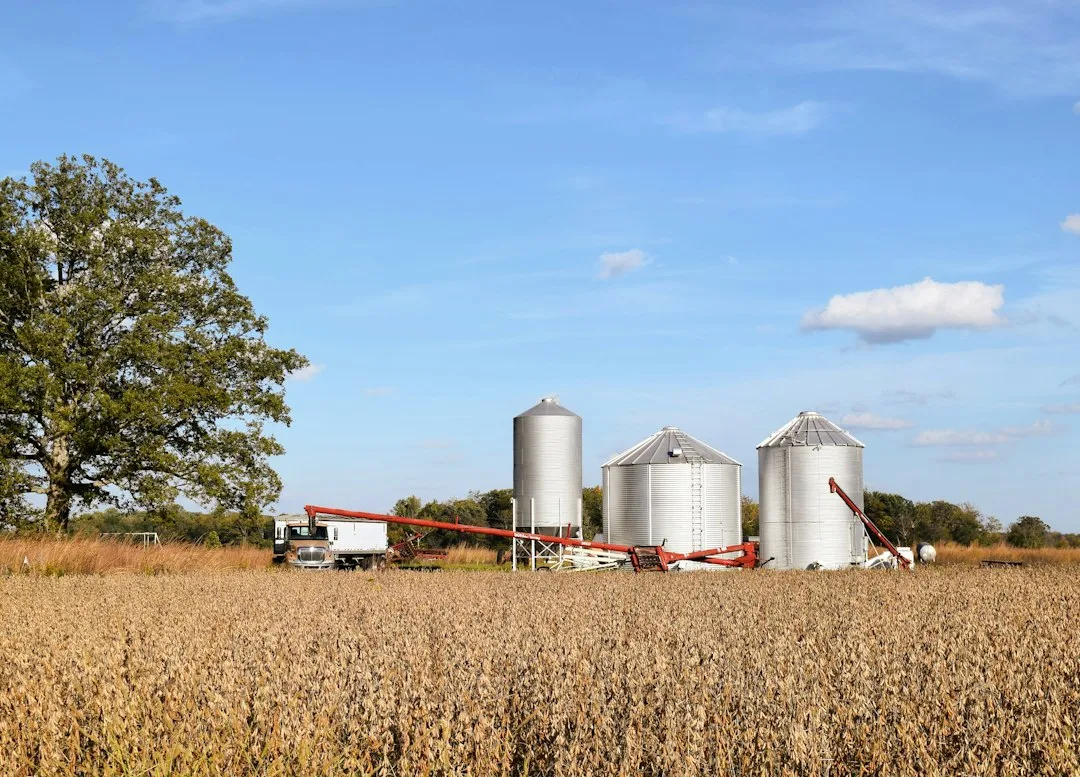
The Biggest Mistake — Ignoring Basis and Selling Only on Futures Highs
A common failure is fixating on the highest futures price of the year and assuming that is when you should sell. A farmer watches December corn climb to $4.50 in July and sells 50% of the crop. Futures were high, but basis had also tightened to −$0.45 because summer supply is low and elevators have surplus storage. The check felt good, but the producer did not realize that selling the same bushels one month earlier—at a $4.35 futures price but −$0.25 basis—would have netted $4.10, only $0.05 less, with far less timing risk.
The mistake compounds: after selling at the top, the farmer watches prices drift lower and feels vindicated, but misses the opportunity to dollar-cost average into additional sales at more reasonable levels. This approach mirrors the mistakes outlined in Why Your Crop Price Expectations Should Align With Market Realities, where unrealistic price anchors lead to poor execution.
Building a Systematic Selling Plan Before Harvest
Successful crop marketing begins months before you cut or combine. Rather than watching prices day-to-day and reacting emotionally, develop a written plan that identifies price targets, timing windows, and percentage allocations for each tranche of your crop. This plan should account for your cost of production, your target profit margin, and the typical seasonal patterns in basis for your region and commodity. Once documented, the plan becomes a reference point that reduces impulsive decisions and keeps you focused on execution over emotion. Many experienced farmers find that committing to a plan in the off-season—when prices are abstract and emotions are neutral—leads to better outcomes than ad-hoc selling during the marketing year when fear and greed dominate decision-making.
Basis Volatility and the True Cost of Poor Timing
Basis moves independently of futures prices, yet many farmers ignore it entirely in their marketing decisions. When local supply tightens, basis often strengthens (becomes less negative or more positive), which can create selling opportunities that feel less dramatic than a big futures rally but deliver equally strong net prices. Conversely, when elevators have ample inventory, basis widens (becomes more negative), and selling into that weakness can erase gains made on favorable futures moves. The key insight is that Why Marketing-Year-Average Price Matters More Than Monthly Swings applies directly: focusing on your average realized price across multiple sales, weighted by basis conditions, outperforms chasing single-sale highs. A farmer who sells 25% of the crop in four different windows—capturing a mix of favorable futures and favorable basis opportunities—almost always nets a better marketing-year average than one who tries to time a single perfect sale.
Try the Calculator
Estimate gross revenue at this month's price or the marketing-year-average.
Gross revenue only, not net income. Prices: USDA NASS national price received, Aug 2026 (updated automatically). Check your state's current price →
Check your state's current price: Check your state's current price.
Frequently Asked Questions
What is the difference between basis and the futures price?
Futures price is the standardized contract price in Chicago; basis is your local elevator's discount from that price. Your actual check is the futures price minus the basis. Both move independently.
Why does basis widen during harvest?
Peak harvest creates local supply gluts and fills elevators to capacity. Elevators have less incentive to buy and more incentive to move stored inventory, so they discount (widen basis) to reduce inbound volume.
Can I lock in basis before harvest?
Yes. A basis contract lets you lock both the futures price and a specific basis spread months in advance. This eliminates basis uncertainty but requires planning with your elevator.
Should I sell grain when futures are at their yearly high?
Not automatically. A high futures price often coincides with tight supply and a narrowed basis, but if basis has also widened significantly, your local bid may not improve much. Compare your actual local bid to historical basis, not just futures price.
How do I find my region's typical basis pattern?
Ask your elevator for 3–5 years of historical daily cash bids and futures prices. Calculate the spread (basis) for each month. You will see seasonal patterns that repeat year to year.
Does basis differ between elevators in my area?
Yes. Transportation distance, elevator efficiency, and competitive pressure all affect basis. Getting bids from multiple elevators or grain merchants is a practical way to ensure you are not paying an unnecessary penalty.
Related Articles

Related: How Commodity Price Volatility Windows Shape Your Harvest Marketing Plan
Related: How the Commitments of Traders Report Signals Row Crop Prices