
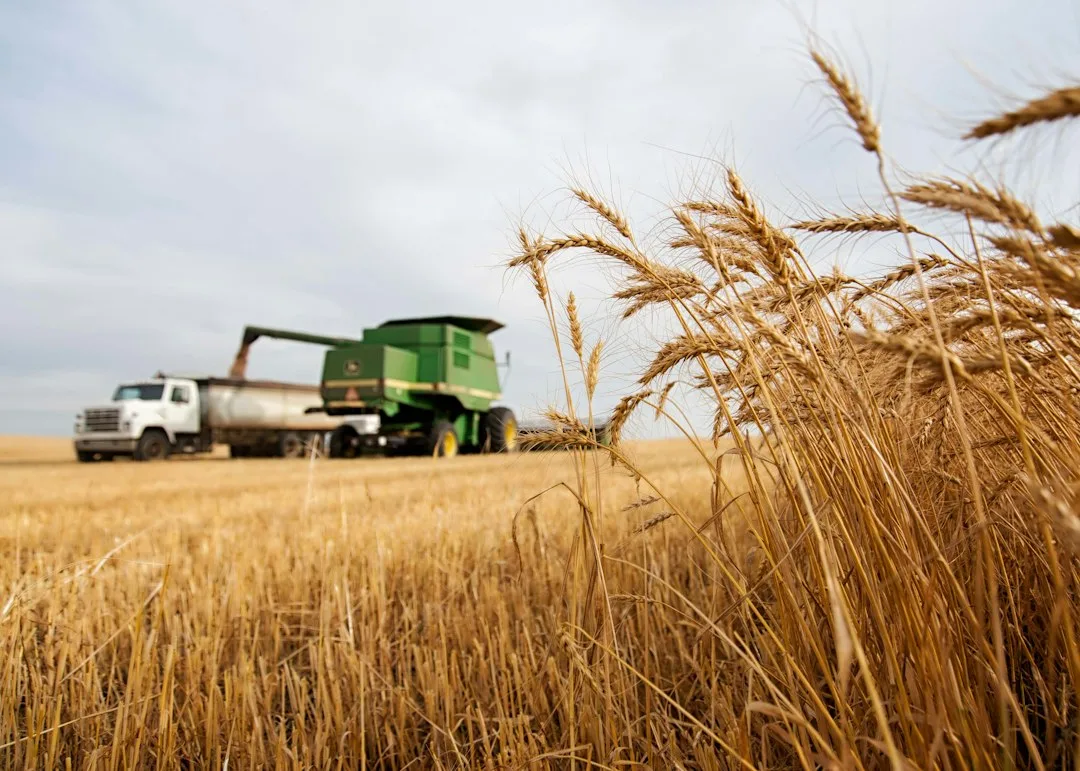
A producer in central Illinois plants corn in April expecting a fall harvest price of $4.80 per bushel. By September, the market has moved sideways. Harvest arrives. The elevator offers $4.20. That 60-cent gap wasn't bad luck—it was the difference between a price expectation and a price reality. Crop price expectations planning means understanding which prices you can influence, which you cannot, and how the calendar controls your options.
Crop price expectations planning versus emotional decision making
When you form a crop price expectation in spring, you're often anchoring to a season-average, a neighbor's comment, or a USDA projection. None of those are prices you will receive. The price you receive depends on when you sell, what basis your local elevator applies, and what the futures contract does that hour.
A crop price expectation becomes real only when three things align: your decision to sell, your local elevator's willingness to buy, and the futures market price that second. You control one of those three—your timing and sale decision. You influence none of the other two in the moment.
Most producers treat crop price expectations as a single number they'll somehow capture. Instead, treat it as a range of outcomes based on your sale window and the mechanics available to you.
Quick Tips
- Set three crop price expectation scenarios: early harvest, mid-range, and late-season, each with a realistic local basis range.
- Track your elevator's basis pattern over five years, not one season, to ground your price expectation in actual local reality.
- Use commodity price volatility hedging mechanics to lock a price expectation if a target level appears, rather than waiting for a perfect price that may never come.
- Separate your revenue goal from your price expectation—the goal is a number, the expectation is a method to reach it.
How Basis and Local Pricing Reshape Your Expectation
Your crop price expectation fails when you ignore basis. Basis is the difference between the futures price and the cash price your elevator will actually pay you. A national corn futures contract might show $4.50, but your elevator's basis—the cost to store, dry, and forward your grain—might be 35 cents under futures, leaving you $4.15.
Basis is not stable. It moves with storage capacity, transportation cost, and how much grain is flowing to your elevator that week. If you form a crop price expectation without anchoring to your local basis pattern, you're planning blind.
Pull your last three to five years of local elevator cash prices from your receipts. Plot them against the average futures price that month. That gap is your basis. That basis, not the national futures headline, should anchor your crop price expectation.
| Expectation Source | Reality Check | Action |
|---|---|---|
| USDA seasonal price report | Average only; your elevator's basis differs | Cross-reference with your local cash history |
| Neighbor's harvest price | Their timing and contract type unknown | Ask their sale date and elevator; compare timing |
| Futures price in spring | Basis will move; price will move; both uncertain | Lock a price early if target hits; don't wait |
| Your elevator's stated basis grid | Actual basis on your delivery day may differ | Call before harvest to confirm current basis |
The Mistake — Setting One Expected Price for Harvest
The most common error is locking a single crop price expectation in spring, holding it all season, and feeling blind-sided when harvest reality arrives. A producer might say, "I need $4.50 corn to break even," then watch the market fall to $4.10 in October and feel forced into a bad sale.
That rigidity costs money. Markets move in ranges. Your harvest window stretches across weeks. Your local basis shifts with storage demand. If you have one price expectation, you lose the ability to adapt when conditions change.
Instead, set a minimum acceptable crop price expectation—the floor you will not sell below—and a target window where you will sell if price appears. Build in flexibility by planning three sale scenarios: if price spikes in August, you sell early; if price holds steady, you sell mid-October; if price weakens, you decide whether to store or sell delayed. Each scenario has a different basis and a different price reality.
Using Market Mechanics to Shape Your Expectation
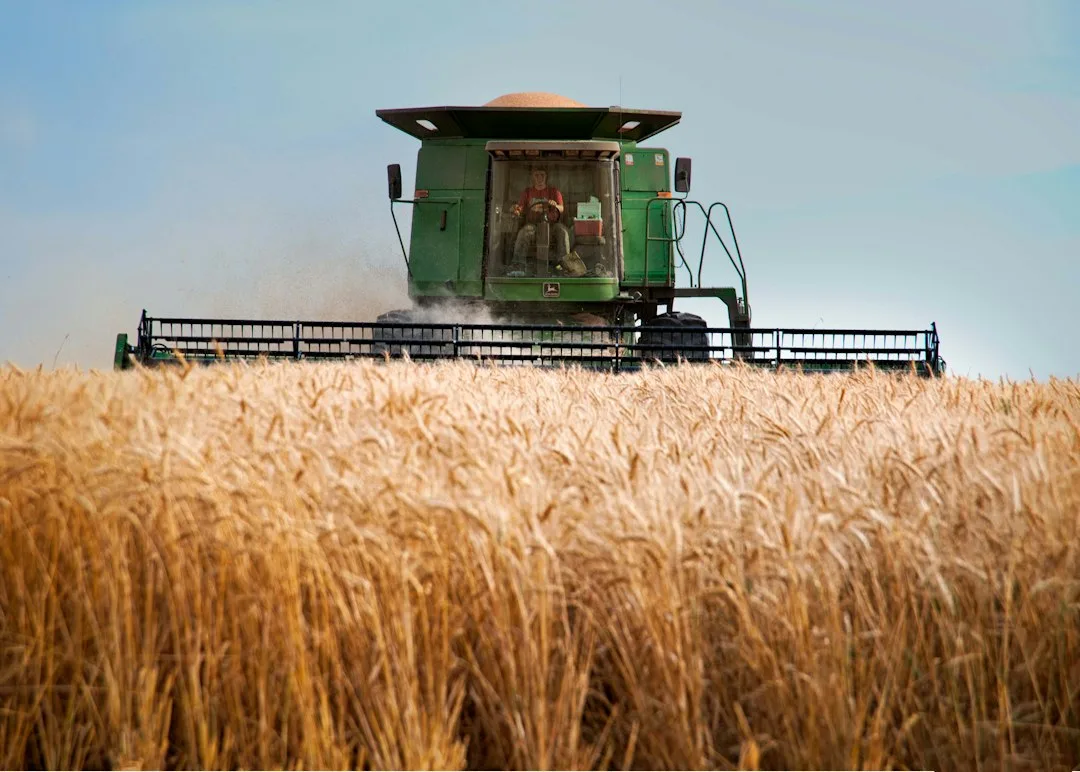
Your crop price expectation becomes actionable when you understand the mechanics that move local cash prices. Basis widens when elevators are full and they discount grain to reduce intake. Basis tightens when demand rises and elevators will pay more to attract grain from farmers.
Storage arbitrage is one lever: if you can store your grain, and the futures market is in backwardation—meaning later months trade higher than nearby months—your crop price expectation improves by waiting. If futures are in contango—meaning later months trade lower—storage costs you money and your expectation improves by selling sooner.
Check your state's current basis and pricing patterns at Check your state's current price to see what your local market has paid historically. That historical range should anchor your crop price expectation, not a number you invented.
Connecting Price Expectation to Your Revenue Goal
A crop price expectation is not a revenue goal—they are different things. Your revenue goal is what you need to earn to cover your costs and profit target. Your crop price expectation is the method you will use to try to hit that goal.
If your goal is $850 per acre in gross revenue, and you're growing corn on a 150-bushel-per-acre field, you need an average price of about $5.67 per bushel. That is your target. Your crop price expectation is what price level, when, and through which mechanism—forward contract, cash sale, deferred pricing—you will try to capture.
These are not the same. You might achieve your revenue goal at a $4.80 average price if your yield outperforms, or you might miss it at a $5.20 average price if yield falls short. Marketing-year-average price mechanics help you blend early and late sales to smooth the outcome. Your crop price expectation should be the specific plan—the dates, the sale triggers, the fallback options—that positions you to hit your revenue goal across multiple market scenarios.
Building Your Price Expectation Into Your Budget
Once you have a realistic crop price expectation anchored to local basis history and market mechanics, that number belongs in your operating budget, not hidden in hope. Use a conservative expectation—closer to a historical percentile than a best case—so that when you hit or exceed it, you have positive surprise rather than shortfall.
Document your crop price expectation assumption in writing. Note the date you formed it, the basis you used, the harvest window you planned for, and the sale method you selected. When harvest arrives and prices move, you will have clarity on whether you executed your plan or whether the market changed your assumptions.
Crop price expectations built on mechanics, not emotion, survive market volatility. Align your expectation to what your local market actually pays, what the calendar allows you to do, and what you can realistically influence. The rest is execution.
Try the Calculator
Estimate gross revenue at this month's price or the marketing-year-average.
Gross revenue only, not net income. Prices: USDA NASS national price received, Aug 2026 (updated automatically). Check your state's current price →
Check your state's current price: Check your state's current price.
Frequently Asked Questions
What is the difference between a crop price expectation and a revenue goal?
A revenue goal is the dollar amount per acre you need to earn. A crop price expectation is the specific price, timing, and sale method you plan to use to try to achieve that goal. You might hit your revenue goal at multiple different price levels depending on yield.
How should I anchor my crop price expectation if I'm planting in spring?
Look at your elevator's cash prices over the last five years for grain sold in your planned harvest window. Average those, note the range, and use the middle or slightly conservative point as your expectation anchor. Then adjust for current futures levels and expected basis.
Should I set one price expectation or multiple scenarios?
Set three scenarios: an early-harvest window price, a mid-range expectation, and a late-season price if you store. This gives you flexibility to adapt if market conditions or your situation changes during the growing season.
How does basis change my crop price expectation?
Basis is the difference between futures and what your elevator pays you. If futures are $4.50 and your basis is typically 35 cents under, your actual local price expectation is $4.15. Basis shifts with storage capacity and demand, so track it over years, not one season.
What should I do if my price expectation seems too low to hit my revenue goal?
Revisit your yield assumption and your cost assumptions. If price is realistic based on local history, revenue shortfall usually signals yield risk or cost overruns, not a market problem. Address those directly rather than hoping for a price that history says is unlikely.
Is it better to lock my price expectation early or wait for a higher price?
If your crop price expectation target hits the market, lock it. Waiting for a "perfect" price that rarely materializes costs more than capturing a reasonable level when opportunity appears. Use your expectation as a trigger, not as a ceiling.
Related Articles

Related: Local Grain Basis Mechanics Determine Your Actual Row Crop Return
Related: How Commodity Price Volatility Windows Shape Your Harvest Marketing Plan