Yield Data Interpretation Turns Raw Numbers Into Field Action
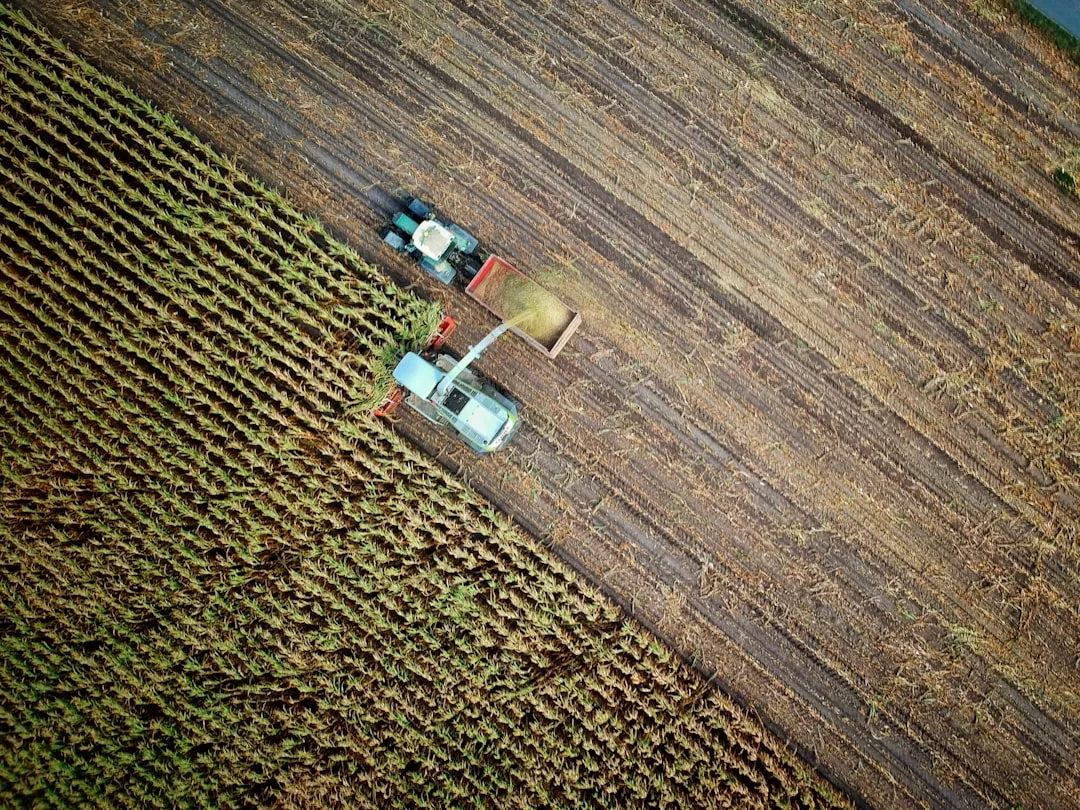
Most farmers collect yield data but never decode it. Learn the mechanics of interpreting raw yield maps and multi-year trends to identify what's actually driving field performance.
Most farmers collect yield data but never decode it. Learn the mechanics of interpreting raw yield maps and multi-year trends to identify what's actually driving field performance.
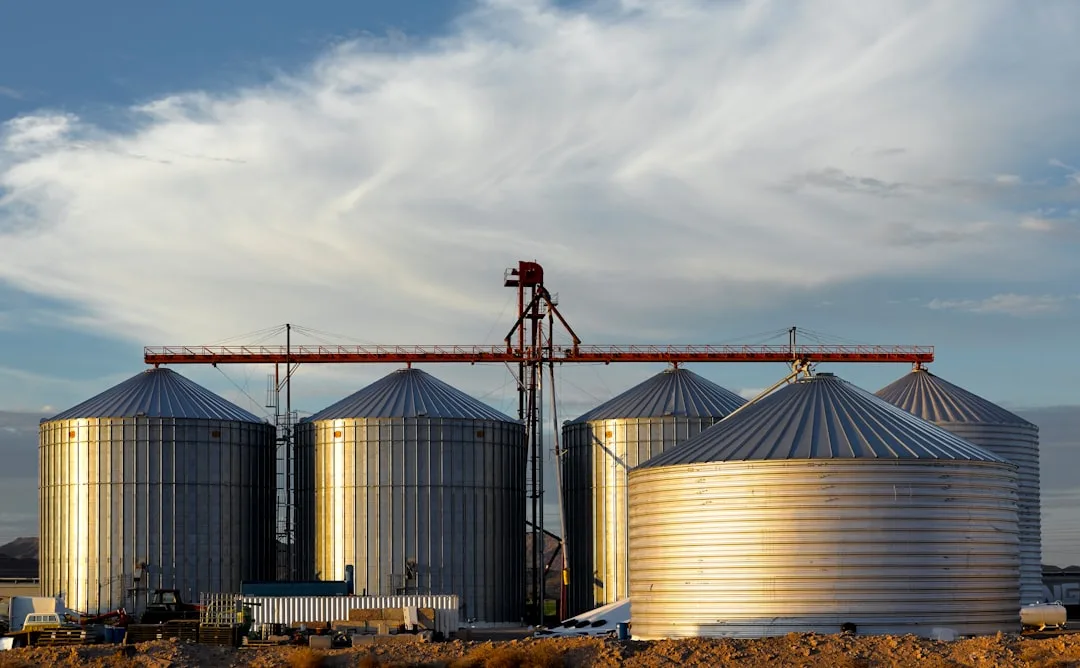
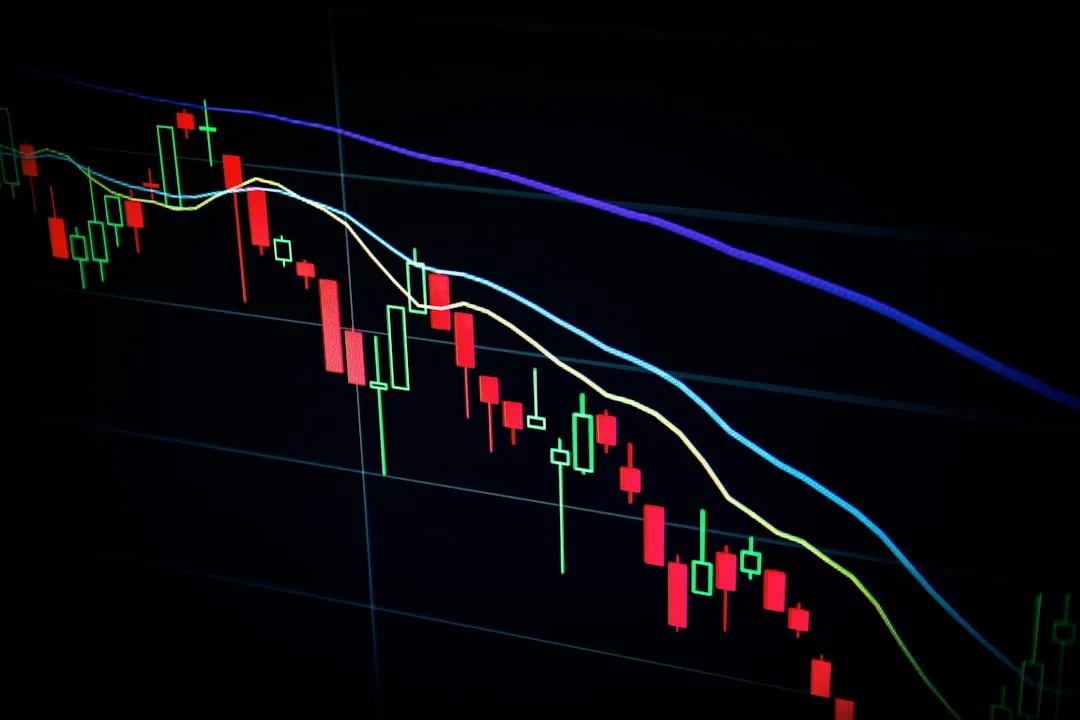
The gap between corn and soybean futures prices, and the spread between harvest and spring contracts, drives your post-harvest storage decision. Understanding these mechanics helps you decide whether to store or sell immediately.
NRCS conducts cross-compliance verification audits on EQIP contracts to ensure conservation standards are met and maintained. Producers who understand the audit mechanics—and what records to keep—avoid funding suspensions and costly contract terminations.
Yield-on-yield comparison analysis strips away weather noise to show whether your field is actually improving or declining. This mechanism matters because it helps you separate temporary conditions from lasting management changes.
EQIP contracts expire on a state schedule. Understanding your renewal deadline prevents a funding gap and keeps soil health practices funded through your rotation.
Yield detrending strips away long-term technology and management improvements to show what your field actually delivered in any single year. Understanding this mechanic is critical for making fair field-to-field comparisons and diagnosing real performance gaps.
Commodity price cycles are predictable multi-year patterns in crop markets driven by supply, demand, and farmer response. Understanding where you sit in a cycle changes how you price grain and time sales.
Your EQIP cost-share check depends on one thing: proof that you actually did what you signed up for. Most producers underestimate how detailed that proof must be.
Seasonal price swings can wipe out profit margins built over a full growing season. Hedging tools—futures contracts, options, and forward sales—let you manage that volatility and keep revenue predictable.
Soil moisture retention is the silent driver of yield stability in row crops. Understanding how your field's water-holding capacity affects productivity—and how to read that signal in your yield data—separates stable operations from those chasing year-to-year volatility.
Forward contracting ties your row-crop revenue to a pre-harvest agreement with an elevator or processor. Understanding contract terms, basis locks, and settlement mechanics helps you make the trade-offs between price certainty and flexibility.
Most farmers track yield numbers but miss the patterns hidden in them. Yield trend analysis methods let you separate genuine progress from annual weather swings—and decide which practices actually work on your ground.