
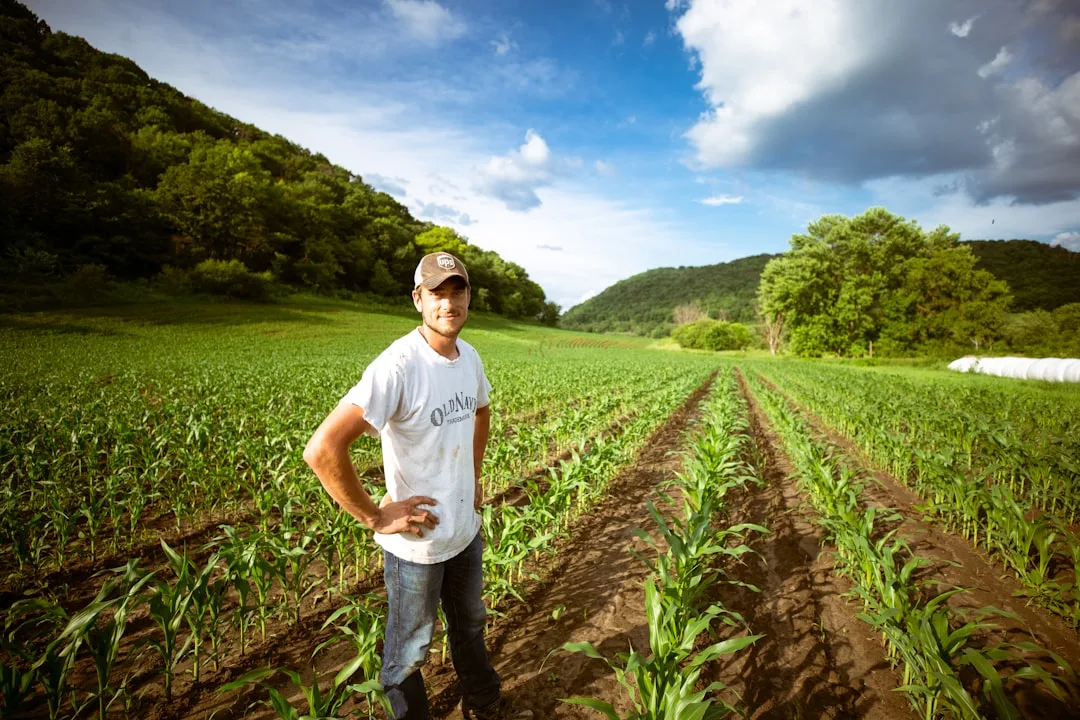
Most row-crop producers chase yield gains year to year, but ignore the single largest variable controlling their field's ability to hold water, release nutrients, and perform in stress years: soil organic matter. When soil organic matter is low—typically below 2–3 percent in Corn Belt mineral soils—your field is fragile. A dry July cuts yield hard. A rainy spring causes compaction. Nutrient cycling stalls. Soil organic matter building solves all three, but only if you understand the mechanics, the timeline, and how to measure real progress.
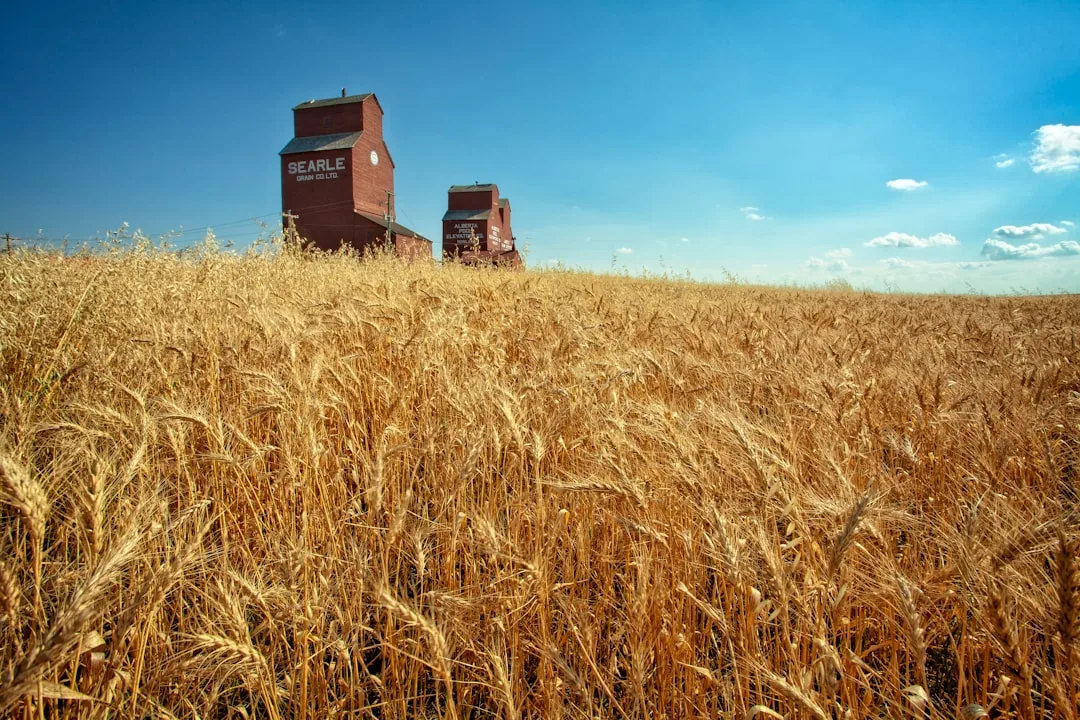
Soil organic matter building improves soil health and crop productivity
Soil organic matter is the long-term product of plant residue breakdown and microbial stabilization in your soil. It builds slowly—typically 0.1 to 0.3 percent per year under continuous cover cropping or reduced-tillage systems, and even more slowly under conventional tillage. You add organic material by keeping residue on the soil surface, growing cover crops, rotating to diverse species, or reducing tillage intensity.
Why does this matter economically? Organic matter holds 1.5 times its weight in water. In a dry July, fields with 4 percent organic matter retain available water 3 to 5 days longer than fields at 2 percent. That gap determines whether you hit 180 bu/ac or 160 bu/ac in a drought-stress year. Over ten years, that's your profit margin.
Organic matter also unlocks nutrient cycling. Microbes feed on stable organic compounds and release nitrogen, phosphorus, and sulfur in forms your crop can use. You reduce fertilizer efficiency loss and cut your per-bushel input cost.
Quick Tips
- Measure your baseline: soil test for organic matter percentage before you commit to a building strategy. Most universities include it in routine soil packages.
- Residue is your starting engine. Leaving corn stalks on the field costs you nothing upfront and feeds microbial activity year-round.
- Cover crops multiply organic matter input. A winter rye or cereal rye cover crop adds 0.5 to 1 ton/ac of dry biomass per year—real fuel for soil biology.
- Tillage is your enemy. Every pass oxidizes organic matter and buries residue. Reduced or no-till systems accumulate matter 2–3 times faster than conventional.
- Track annual trends, not year one. Organic matter building takes 5–7 years to show yield response in data. Patience and consistency beat intensity.
Measuring Soil Organic Matter and Setting Realistic Targets
Organic matter measurement is straightforward. Your soil test lab reports it as a percentage. A typical field in corn-soybean rotation at 2.0 percent has room to build. A field at 3.5 percent is approaching a steady state under conventional management.
The target depends on your soil texture and region. Sandy soils naturally hold less organic matter; clay soils can sustain 4 percent or more. Talk to your university extension office or NRCS field office to set a realistic five-year target for your specific soil type and geography.
| Organic Matter Level | Water Retention Capacity | Typical Yield Response (Stress Year) |
|---|---|---|
| 1.5–2.0% | Low; stress sensitivity high | High variability; drought penalty large |
| 2.5–3.0% | Moderate; some buffering | Improved resilience; reduced loss |
| 3.5–4.0% | High; strong moisture storage | Stable performance; lower input cost |
| 4.5%+ | Very high; excellent cycling | Premium stability and nutrient cycling |
The Most Common Mistake — Expecting Yield Gains Before Year Five
The biggest failure mode is abandoning a soil organic matter strategy after two years because yield data looks flat. You planted a cover crop, reduced tillage, and kept residue on the soil—but year-one and year-two yields didn't jump. So you go back to conventional tillage and plow it all under.
Here's what happened: your soil biology was still rebuilding. Residue was still breaking down. The water-holding and nutrient-cycling payoff comes in year three through five, when the organic matter stock actually accumulates and microbial communities stabilize. Stopping early means you wasted two years of reduced yield potential (cover crop biomass diverts some water) and got zero long-term payoff.
The correct strategy is to commit to a five-year measurement plan. Test your baseline now. Commit to a specific practice—reduced tillage, cover crop, or both. Measure organic matter again in year three and year five. Track yield data across that span. You'll see the lag, then the response. Stay disciplined.
EQIP Cost-Share Mechanics for Soil Organic Matter Practices
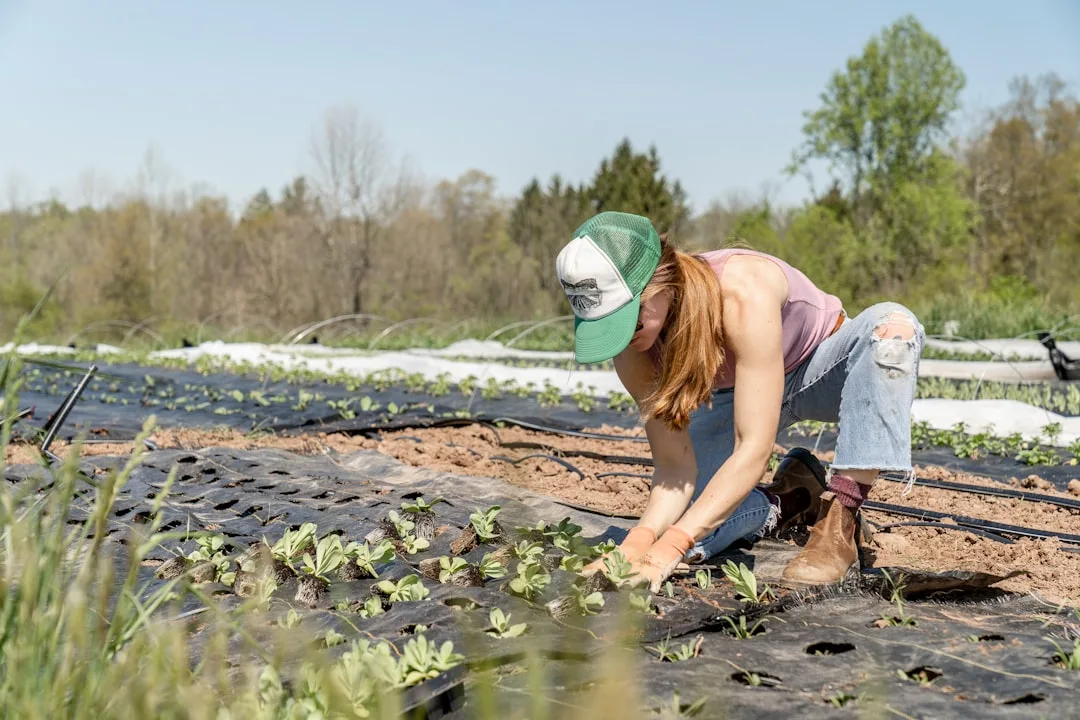
The Natural Resources Conservation Service (NRCS) funds soil organic matter building through EQIP under specific practice codes. Cover crop establishment (code 340) and conservation crop rotation (code 328) directly build organic matter. Reduced-tillage or no-till (codes 329, 345) protect it. Each practice carries a cost-share payment rate that varies by state and signup year.
Your strategy: stack practices on the same field if allowed. For example, apply for cover crop cost-share on 50 acres, add conservation crop rotation on those same 50 acres, and reduce tillage to no-till. Each practice has separate payment rates, and stacking multiplies your total support. Check your NRCS office's signup window and practice limits—some conservation districts limit cover crop acreage per producer.
Cost-share payments help offset the upfront cost of seed, equipment, or labor. They are not income; they are a subsidy toward adoption. Plan your cash flow separately from the cost-share check, which arrives months after practice completion.
Yield Data and Long-Term Field Economics
Organic matter building is a financial decision, not just agronomic. Model the cash impact over five years: cover crop seed cost and labor, reduced tillage fuel savings, lower fertilizer need (organic matter releases nutrients), and the yield premium in stress years. Most well-executed strategies show a net positive return by year five, even without cost-share.
Track your field-level yield data over the period. Use yield maps or monitor reports if you have them. Look for yield floor improvements—the minimum yield in bad years, not the average. A field that used to yield 150 bu/ac in drought and 200 bu/ac in good years might move to 165 and 205 after organic matter building. That 15 bu/ac floor boost is worth $200+ per acre over ten years.
Combine yield data with your soil test results. When organic matter rises and yield floor improves in tandem, you have proof that your strategy worked. Use that data to expand the practice to other fields or refine your approach.
Starting Small and Scaling Your Soil Organic Matter Program
Don't rebuild your entire operation in one year. Pick one high-risk field—a sandy field prone to drought stress, or a field where recent yields are below the neighborhood average. Establish a cover crop or reduce tillage there. Measure organic matter at baseline and again in year three. Let the data guide your expansion.
Talk to your NRCS office about multi-year contracts. Some districts offer five-year agreements that lock in cost-share rates and allow you to phase in practices across multiple years. This removes year-to-year signup uncertainty and lets you plan capital purchases.
Soil organic matter building is not glamorous. It doesn't show up on a receipt or a piece of equipment. But it is the single most powerful investment you can make in your field's long-term resilience, input efficiency, and bottom-line profit. Start now. Measure. Stay disciplined. Your five-year-forward field will thank you.
Frequently Asked Questions
How long does it take to see a yield increase from higher soil organic matter?
Yield response typically appears in year three to five after you begin accumulating organic matter. The first two years show slow yield gains or even slight dips as residue and cover crops decompose. Stick with your practice for five years before evaluating success with yield data.
Can I build soil organic matter while still using conventional tillage?
Conventional tillage slows organic matter accumulation by oxidizing residue and disrupting microbial activity. You can still build it—by adding cover crops and keeping surface residue—but you'll accumulate at 0.1 percent per year instead of 0.2–0.3 percent with reduced or no-till. It takes longer and costs more in cover crop seed.
What's the fastest way to build soil organic matter on my farm?
A combination of no-till or reduced tillage plus a winter cover crop accelerates accumulation. Adding crop rotation to include alfalfa or another perennial legume further boosts it. No single practice beats all three combined, but the investment is also highest.
Will higher soil organic matter reduce my fertilizer needs right away?
Nutrient cycling improves gradually as organic matter stock builds and microbial communities mature. By year three to five, you may see 10–20 percent reductions in nitrogen or phosphorus need, depending on your starting organic matter level and practice. Don't count on fertilizer savings in year one.
How do I know if my soil organic matter is actually increasing?
Get a soil test for organic matter (most university labs include it) at your baseline year and again every two to three years. Track the percentage over time. A realistic goal is 0.1 to 0.3 percent increase per year, so expect a noticeable shift by year three.
Related Articles
Related: Why Drainage Maintenance Protects Row Crop Yield and Farm Resilience
Related: Soil Sampling Frequency Drives Precision Nutrient Management Decisions