
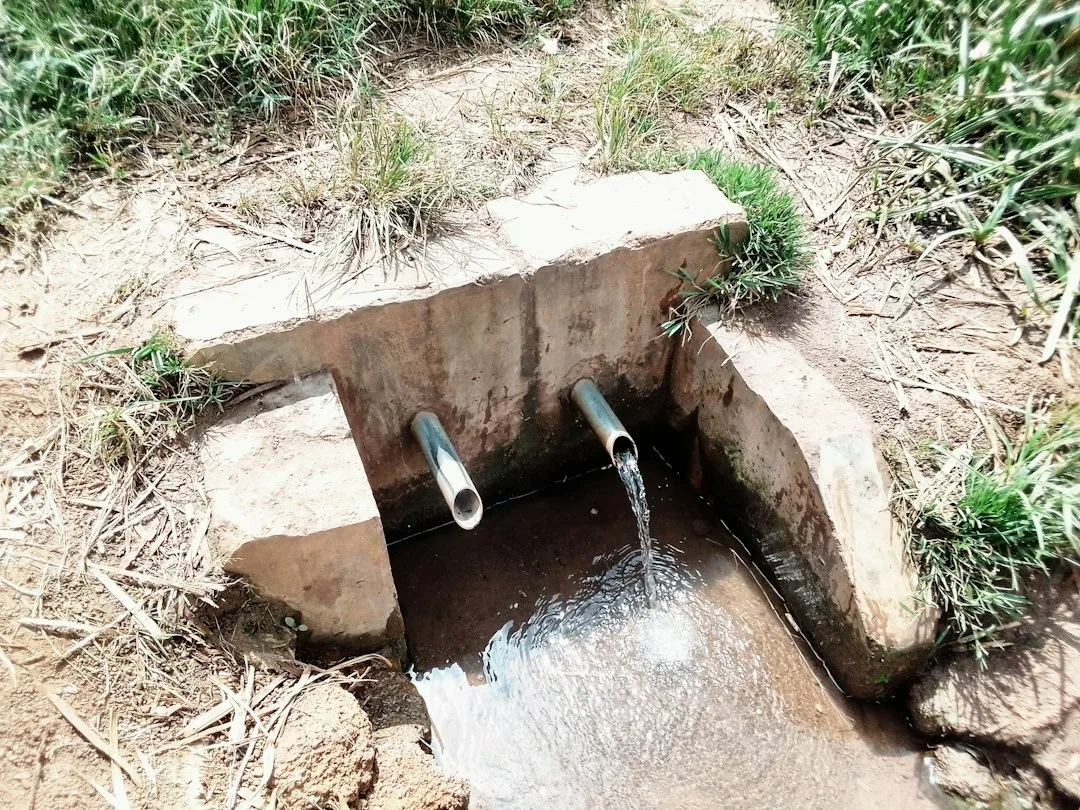
Most row-crop producers underestimate the cost of ignoring drainage maintenance. When subsurface tile systems and surface ditches fall into disrepair, you lose yield silently—only discovering the damage after a wet spring or heavy storm makes fields unprintable. Drainage maintenance protects row-crop yield and farm resilience by keeping water off roots and extending your planting window in critical seasons.
Tile compaction and sediment accumulation drainage maintenance yield impact on flow
Subsurface drain tile works only if water moves through it. Over 15–40 years, sediment, root intrusion, and soil settlement compress the soil around tile lines, restricting flow capacity even if the pipe itself remains intact.
Clay particles and organic matter settle in tile lines at low-flow points—typically near the outlet or in fields with shallow slope. When flow slows, standing water collects around roots instead of draining, cutting oxygen and triggering waterlogging stress. A tile line running at 50% capacity delivers half the drainage benefit of a functional system.
Producers who skip tile inspection for 20+ years often discover collapsed sections, sediment plugs, or outlet degradation only after a wet year forces them to dig. By then, the field has already lost multiple seasons of yield potential.
Quick Tips
- Walk your field outlets after heavy rain—water should flow, not pool near the tile exit.
- Probe suspected low-flow zones with a tile probe or hydro-vac contractor to confirm blockages before major repair.
- Clear ditch outlets each spring before peak runoff season.
- Document tile line locations and depth on a farm map so future owners or contractors know where systems run.
- Budget $200–$500 per acre for tile replacement if systems fail—maintenance costs far less.
Surface Ditch Maintenance and Sediment Removal Drive Outlet Function
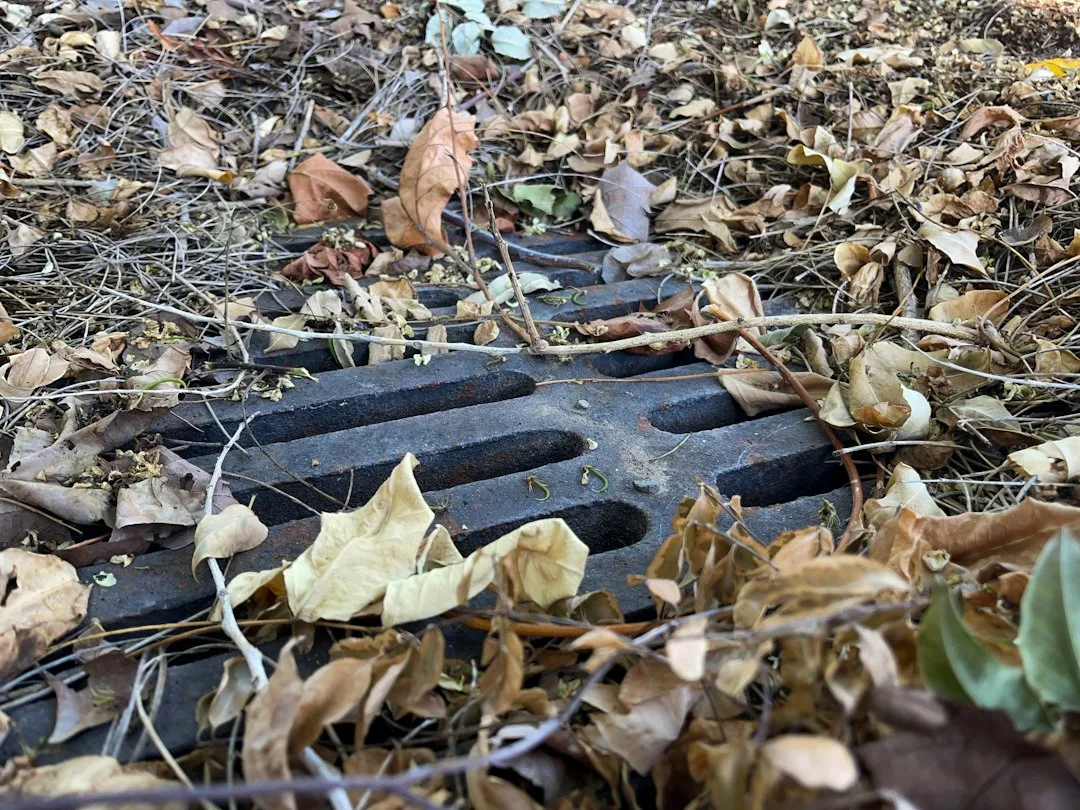
Surface drainage ditches are the last link in the drainage chain. If a ditch clogs with sediment, vegetation, or debris, the tile system behind it backs up, and water has nowhere to go when rainfall exceeds field infiltration.
Ditch sediment builds gradually: erosion from field runoff, vegetation collapse into the bottom, and winter freeze-thaw cycles all trap soil in the channel. Over 10 years, a ditch can lose 1–2 feet of working depth, reducing its capacity to handle peak flows.
The second common failure: ditch outlet pipes or culverts become corroded, collapsed, or blocked by debris. Water then backs up into the field tile network and creates wet zones that persist for weeks after rain.
| Maintenance Task | Frequency | Yield Impact if Skipped |
|---|---|---|
| Ditch sediment removal | Every 5–8 years | Reduced outlet capacity; waterlogging in wet years |
| Outlet pipe/culvert clearing | Spring, fall | Tile backup; standing water on field |
| Vegetation control in ditch | Annually or as needed | Slower flow; sediment trapping |
| Subsurface tile probe/camera | Every 10–15 years | Undetected blockage or collapse until failure |
EQIP Drainage Practices and Cost-Share Timing
NRCS offers cost-share support for drainage system installation and restoration under Conservation Practice Standard 606 (Subsurface Drip Irrigation/Drainage, or equivalent drainage improvement codes depending on your state). However, cost-share covers new systems or major rehabilitation—not routine maintenance.
The window to apply: EQIP signup occurs on an annual or rolling basis, controlled by your state NRCS office. Producers who wait until after a wet year has damaged yields often find funding exhausted or timelines too tight for design and approval.
Plan ahead. If you suspect tile failure or ditch degradation, consult an NRCS engineer before the next signup window opens. A professional assessment—whether funded or self-paid—documents the need and justifies cost-share application, positioning you for funding when money becomes available.
The Common Mistake — Assuming Drainage Problems Only Show in Very Wet Years
The costliest miscalculation producers make: waiting to address drainage until a 10-year rainfall event forces action. By then, yield loss has compounded across multiple seasons, and emergency repairs cost 2–3 times more than preventive maintenance.
Example: A field with 30-year-old tile that has never been inspected floods in April after 6 inches of rain in 10 days. The producer assumes the tile failed recently, but an excavation reveals sediment accumulation over decades and a corroded outlet that should have been replaced five years earlier. The tile itself is salvageable, but replacement of the outlet, sediment removal, and lost planting time cost $15,000 and delay planting by two weeks—cutting yield 8–12%.
Had the producer hired a tile probe contractor in year 15 of the system's life—a cost of $2,000–$4,000—the problem would have been caught, planned, and either budgeted for gradual repair or cost-shared under EQIP.
Drainage Audit Mechanics and Where to Start
Begin with a visual walk after rain. Stand at each ditch outlet and confirm water is flowing, not pooling. Mark wet spots on your yield maps from the last three years—persistent wet zones suggest tile failure or low capacity in that area.
Next, contact your NRCS field office or a drainage contractor certified in your state. A basic tile assessment runs $1,000–$3,000 and can identify blockages, collapsed sections, or undersized outlets without excavation. Use findings to prioritize which fields need work and when.
Document findings and outlet locations on a farm map. This record protects your farm's long-term productivity and becomes invaluable if you sell, restructure ownership, or pass the operation to the next generation. Long-term field infrastructure combined with soil health practices builds lasting yield resilience.
Linking Drainage to Yield Stability and Seasonal Flexibility
Drainage maintenance directly affects your ability to plant on time and manage weather risk. Fields with functional drainage systems can be worked 1–2 weeks earlier in spring, reducing replant risk and allowing you to capture the full growing season window.
In years with above-average rainfall, well-drained fields outperform poorly-drained neighbors by 5–15%, depending on soil texture and tile spacing. Over a 10-year cycle, that yield buffer more than pays for routine maintenance and one major repair.
Drainage resilience also improves your flexibility for cover crops, manure application, and other sustainability practices—all of which require fields to be trafficable and properly aerated. A deteriorating drainage system forces you to postpone or skip these practices, pushing you further behind on soil health.
Frequently Asked Questions
How often should I inspect tile drainage systems?
If tile is older than 15 years, have a professional assessment done every 10 years using a tile probe or camera. After major rain events, always inspect outlets and ditches for blockages or damage.
What is the cost range for basic tile system maintenance?
Routine ditch sediment removal and outlet clearing runs $2,000–$5,000 per field depending on length and equipment access. A professional tile probe assessment costs $1,000–$3,000. Major tile replacement can exceed $200–$500 per acre.
Can EQIP cover drainage maintenance?
EQIP cost-share typically covers drainage system installation and restoration (Practice 606 or equivalent), not ongoing maintenance. Apply during your state's signup window with an NRCS assessment documenting need.
What signs indicate tile or ditch problems?
Persistent wet spots after rain, slow drainage near outlets, ditch sediment buildup, and standing water in spring are red flags. Reduced yield in the same area across multiple years also suggests drainage failure.
How does poor drainage reduce yield?
Standing water cuts oxygen to roots, causing stress and stunted growth. Waterlogged soil also delays planting, compacts easily, and creates ideal conditions for root diseases—each factor can reduce yield by 5–20%.
Related Articles


Related: Soil Sampling Frequency Drives Precision Nutrient Management Decisions
Related: Cover Crop Selection Mechanics Shape Your Soil and Winter Resilience