
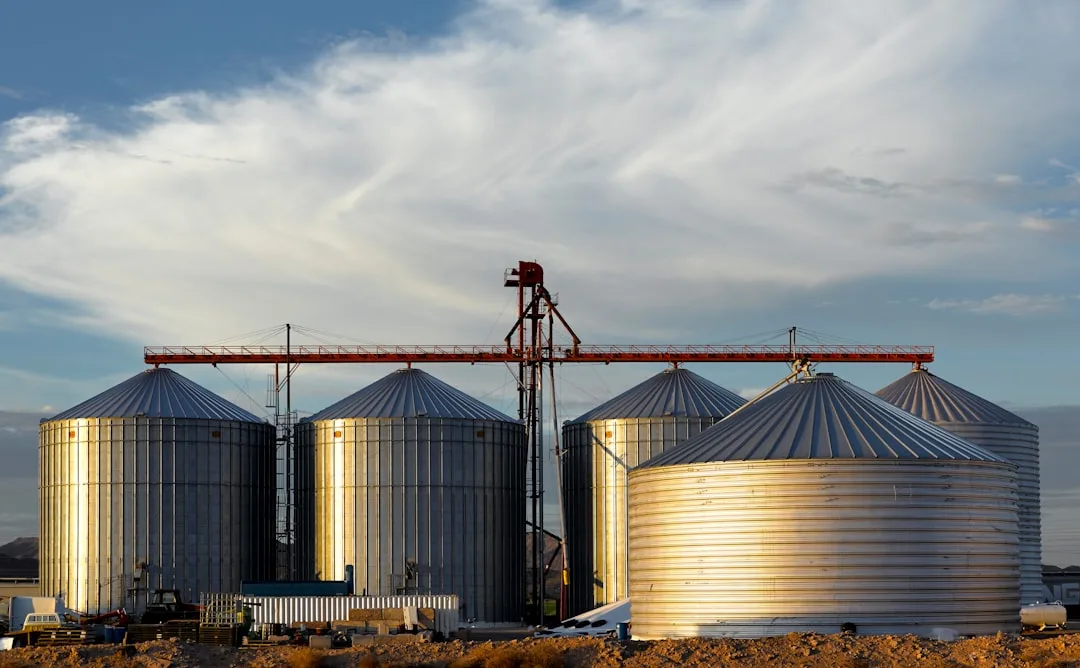
Harvest arrives, and your bins are full. You face a choice: sell now at today's price, store the grain yourself and wait for a better price, or use deferred pricing to let your elevator hold inventory while you lock in a price weeks or months later. Deferred pricing mechanics are a middle path—one that many row-crop producers underuse or misunderstand, leaving money on the table. This mechanism works differently than forward contracts or on-farm storage, and knowing how it functions can reshape your entire harvest-month revenue strategy.
Deferred pricing mechanics and what they really mean
Deferred pricing is a sale where your elevator takes physical possession of your grain immediately after harvest but does not lock the price until a future date you both agree on. You deliver the bushels, the elevator warehouses them, and you retain the right to call a price—usually within 30, 60, or 120 days—at which point the elevator invoices you and settles the sale.
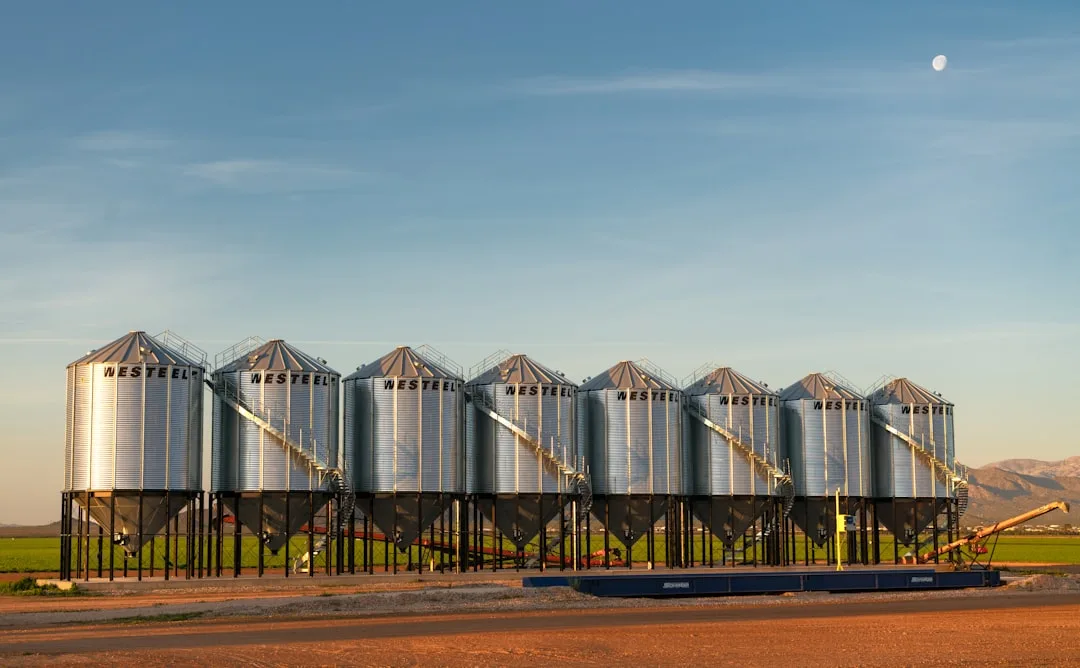
This is not the same as storage. With on-farm storage, you own the grain and pay the elevator a monthly storage fee if they hold it for you. With deferred pricing, the elevator owns it from the moment it leaves your truck, but you control when the sale price is fixed. The elevator charges no storage fee because it finances the inventory itself and profits from the margin between what it paid you and what it sells for downstream.
Why this matters: deferred pricing removes physical and financial risk from your operation. No crop insurance claim complications if your bins leak. No on-farm spoilage. No financing cost for you to carry inventory.
Quick Tips
- Confirm your elevator's deferred pricing window before harvest—many cap it at 60 days.
- Lock in the terms (pricing method, settlement date, grade discount) in writing at delivery.
- Use deferred pricing when market signals suggest prices may improve but you need certainty of sale.
- Compare deferred pricing cost (implicit financing) against forward contracts and your own storage alternative.
- Track your local basis movement during your deferred pricing window to time your call.
The Pricing Methods Behind Deferred Sales
Your elevator offers several ways to actually set the price during your deferred window. The most common is a fixed-date average: you agree that your price will be the average of the Chicago futures price on day X, perhaps the last trading day of the month you choose, or a 5-day average around a date you select. Some elevators offer a price-call option, where you pick any single day within your window to invoke a closing price.
Another method is a formula price: the elevator's posted price on your call date, minus a pre-set basis. This ties your return directly to what your elevator pays other farmers that day. A third option, less common, is a range-based price, where you set a price floor and ceiling and the elevator fixes the price somewhere in that band when you call.
The pricing method directly shapes your risk and opportunity. A fixed-date average removes daily volatility but binds you to one specific date regardless of market conditions. A price-call option gives you flexibility but requires active monitoring and discipline—and if you miss your window, the opportunity closes.
| Pricing Method | How It Works | Best When |
|---|---|---|
| Fixed-Date Average | Price = futures average on set date | You want predictability, not daily tracking |
| Price-Call Option | You pick any day within window to lock price | You monitor markets closely and seek flexibility |
| Formula Price | Elevator's daily bid minus fixed basis | You trust your elevator's pricing and want simplicity |
| Range-Based Price | Price fixed within a floor–ceiling band | You want downside protection but keep upside |
When Deferred Pricing Outperforms Your Alternatives
Deferred pricing shines in specific market conditions. If basis is historically seasonal—tightening in winter as farmers deplete local grain—you can defer your sale to November or December when local elevators face supply pressure and widen their bids. Harvest prices are often flooded by volume; deferring lets supply tighten and your share of the demand increase.
Deferred pricing also works when you lack on-farm storage or your bins are full. Instead of selling at a depressed harvest low or paying monthly storage fees, you transfer inventory risk to your elevator at no charge and retain upside optionality. Why Marketing-Year-Average Price Matters More Than Monthly Swings explains why spreading your sales across the marketing year, rather than taking one harvest-month price, statistically improves your annual return.
Compare this to How Crop Price Volatility Hedging Protects Row Crop Revenue—both tools help you manage price risk, but hedging uses futures or options contracts, while deferred pricing uses physical inventory and pricing optionality. Choose deferred pricing if you want simplicity; choose hedging if you need contract protection or grain price protection independent of your elevator relationship.
The Most Common Mistake — Deferring Without a Plan
Producers often defer pricing with no exit strategy—they hand over bushels to the elevator and then procrastinate on calling their price. Markets rally 50 cents per bushel above where they delivered, and they still do not call, waiting for more. Then prices reverse, and they call near the low, locking in a return worse than harvest-month cash price.
The mistake is treating deferred pricing as passive storage. It is not. It is an active sale with a delayed price-setting event. If you do not know the technical basis pattern for your crop in your region, if you do not monitor market signals weekly, and if you do not set a decision rule in advance—for example, "I will call when basis widens to X level or on day Y, whichever comes first"—you will underperform.
Another error: not confirming the elevator's charges in writing. Some elevators charge a small shrink or handling fee on deferred sales; if you do not ask, you discover it on the invoice. Always request a written term sheet before delivery.
How to Structure Your Deferred Strategy
Start by checking your state's current price and understanding your local basis range. Basis is the difference between your local elevator price and the Chicago futures price; it reflects local supply, demand, and transportation costs. Historical basis is seasonal—it typically tightens (improves for sellers) in late fall and winter as harvest supply clears.
Next, decide what triggers your call. Will you call when basis reaches a seasonal average? When prices hit a pre-set target? Or on a calendar date regardless of price? Write this down. Share it with your elevator so they understand your intent and can monitor your delivery-specific terms.
Then, defer only a portion of your crop—do not put all bushels on deferred pricing. Sell some at harvest to lock in a baseline return, defer some to capture seasonal basis improvement, and potentially hedge some with forward contracts if markets are volatile. This diversification protects you if your forecast is wrong.
Finally, review your actual deferred sales against your state's monthly price data at the end of the marketing year. Did deferring 20% of your crop improve your weighted-average price? By how much? This data informs next year's harvest strategy.
Deferred Pricing in a Volatile Market
In years when prices swing 60–100 cents between spring and fall, deferred pricing becomes a tactical tool, not just a convenience. A producer who defers 30% of harvest until December captures the statistical benefit of a lower, less crowded selling window without betting the entire year on a specific price forecast.
However, deferred pricing is not speculation. It is not a substitute for disciplined risk management. If you use it, you must actively manage the call date; you must understand your elevator's terms; and you must accept that perfect timing is impossible. The goal is to improve your odds, not to swing for home runs.
Deferred pricing mechanics give you a real lever. Use it with a plan, track the results, and refine your strategy each harvest. Your elevator is holding your grain; you decide when to convert that inventory into revenue. That control, used wisely, compounds into better marketing outcomes year after year.
Try the Calculator
Estimate gross revenue at this month's price or the marketing-year-average.
Gross revenue only, not net income. Prices: USDA NASS national price received, Aug 2026 (updated automatically). Check your state's current price →
Check your state's current price: Check your state's current price.
Frequently Asked Questions
What is the difference between deferred pricing and forward contracting?
Deferred pricing places physical grain at your elevator and sets the price later within an agreed window. Forward contracting locks price before delivery or at delivery and does not require you to store grain. Forward contracts use futures or formulas; deferred pricing uses your elevator's inventory and your call timing.
Does my elevator charge me to hold grain on deferred pricing?
Typically no—your elevator finances the storage and profits from the buy-sell margin. However, some elevators charge a small handling or shrink fee. Confirm all costs in writing before delivery to avoid surprises.
How long can I defer pricing after delivery?
It depends on your elevator's policy. Many allow 30, 60, or 120 days; some offer longer windows. Confirm the deadline and pricing method before you haul your first load.
Should I defer 100% of my harvest?
No. Defer only a portion—perhaps 20–30%—while selling the rest at harvest or through forward contracts. This diversification protects you if your forecast is wrong and stabilizes your average price across the marketing year.
What happens if I do not call my price before the deferred window closes?
Most elevator contracts specify a default action: automatic settlement at the final day's price, or the trade is cancelled and grain returned to you. Read your contract closely to understand what happens if you miss your deadline.
Related Articles

Related: Cash Price and Futures Basis Divergence Determines Your Row Crop Return
Related: How Commodity Price Spreads Determine Row Crop Revenue Timing