

When a row-crop producer plants a cover crop, the choice of species is the first lever in a series of mechanics that determine whether that cover crop becomes a long-term soil investment or a break-even expense. Cover crop selection mechanics control winter soil protection, spring nutrient mineralization, and spring fieldwork timing—and each choice carries real trade-offs in seed cost, labor, and yield risk.
Cover crop selection mechanics drive your field outcomes
Cover crop species fall into broad categories based on their root architecture, winter hardiness, and nutrient-cycling role. A legume (clover, vetch, pea) builds soil nitrogen through microbial fixation; a grass (rye, oat, wheat) scavenges residual soil nitrogen and builds root biomass; a brassica (radish, turnip) breaks hardpans through deep tap roots.
Each species has a distinct cost-per-acre for seed, a different seeding rate, and a different window for field termination in spring. Rye seed may cost less per pound than hairy vetch, but rye's vigor means higher seeding density and more aggressive spring termination labor. Your soil texture, drainage, and planned spring crop both matter here.
The mechanics are straightforward: legumes add nitrogen at no external cost, but require inoculant and time to establish nodulation; grasses prevent winter erosion and scavenge excess nitrogen, but add little nitrogen back; brassicas require fieldwork to terminate and can damage soil structure if tilled too wet. Mixing species (a cocktail blend) spreads risk and may cost more upfront but provides insurance against poor establishment or winter kill.
Quick Tips
- Match species to your field's drainage class: wet fields favor oat or clover; well-drained ground tolerates rye or radish.
- Plan termination date before planting: winter-kill crops (oat, annual rye) require less spring labor than winter-hardy species (perennial rye, hairy vetch).
- Scout seedling vigor within 4 weeks of planting; thin or replant low-density patches if cover crop canopy will not close by freeze-up.
- Account for seed cost plus inoculant (legumes), custom aerial seeding (if not drilling), and spring termination labor in your ROI calculation.
- Use EQIP soil health or cover crop practice codes to offset seed and establishment cost; verify your state's current payment rate and contract term length.
Planting Timing and Establishment Mechanics
Cover crop establishment window is dictated by moisture, soil temperature, and drying-down of cash-crop residue. Planting too early in fall—before summer moisture is gone—risks fungal pressure and poor root development. Planting too late—after first frost—may leave insufficient growing-degree-days for biomass accumulation before freeze-up.
For most of the Corn Belt, the optimal window is late August through late September for fall-seeded species. Winter-sensitive crops like oat work earlier (mid-August); winter-hardy perennial rye or hairy vetch tolerate later seeding (early October) because they prioritize root establishment over top-growth before dormancy.
The mechanics of drilling vs. aerial seeding also matter. Drilling (via cover-crop drill or inter-seeding into standing corn) provides seed-to-soil contact and higher germination rates but costs more in labor and equipment. Aerial seeding (helicopter or drone) is faster and cheaper on large acres but requires perfect moisture conditions and lower seeding rates to compensate for lower germination. Soil Sampling Frequency Drives Precision Nutrient Management Decisions becomes even more critical when cover crops are planned, because residual nitrogen and phosphorus must be known before legume selection.
| Species | Winter Hardiness | Primary Benefit |
|---|---|---|
| Winter rye | Excellent | Erosion control, nitrogen scavenging |
| Hairy vetch | Good | Nitrogen fixation, winter cover |
| Oat | Poor (winter-kill) | Quick biomass, simplified spring termination |
| Daikon radish | Fair | Hardpan breaking, organic matter |
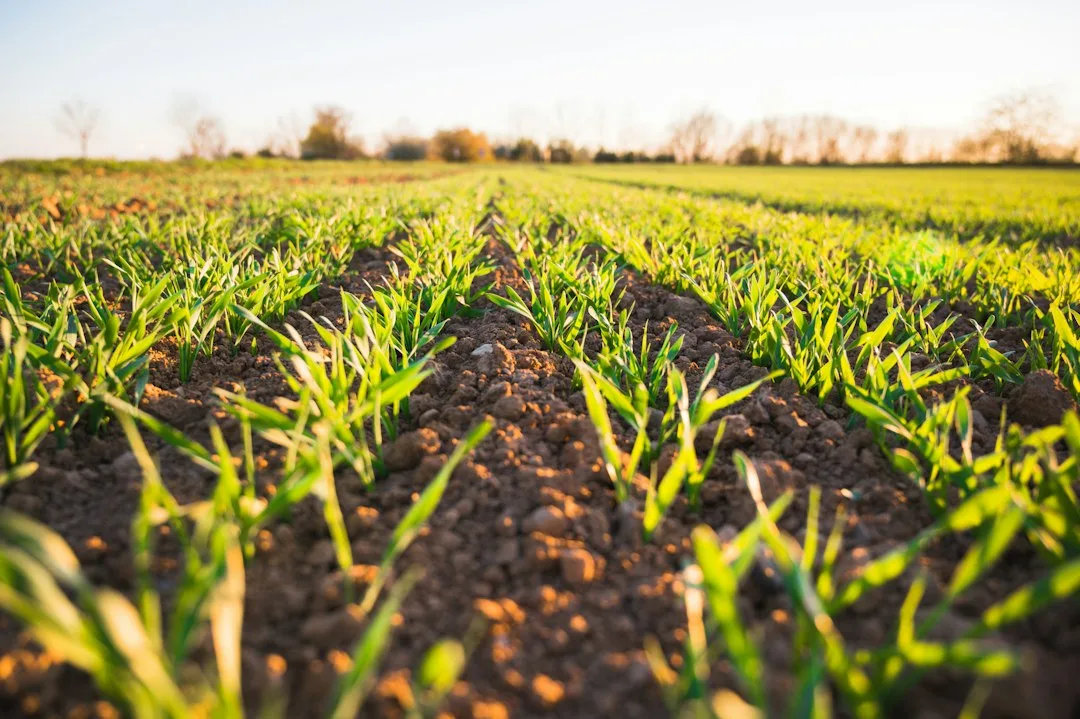
Spring Termination Timing and Yield Risk
The biggest failure point in cover crop mechanics is late or inadequate termination. A fully-grown cover crop occupies soil moisture and delays spring fieldwork. Rye, in particular, can reach 3–4 feet tall and consume significant water in early spring if left unterminated past boot stage.
Termination must occur before cash-crop planting—typically 2 to 4 weeks before corn or soybean seeding—to allow residue breakdown and soil settling. The mechanics depend on species: winter-killed crops (oat) terminate themselves at first frost; hardy perennial rye requires herbicide or mechanical incorporation (plow, disc, or roller-crimper); legumes can be clipped and left as mulch or sprayed and incorporated.
Many producers make the mistake of underestimating termination labor or neglecting spring moisture conditions. Trying to incorporate a thick mat of rye into wet soil can create cloddy seedbed conditions and delays planting by weeks. Using excessive herbicide rates to kill rye fast may damage emerging cash-crop seedlings if spray overlap occurs. The right approach is to plan termination 6 weeks ahead, scout soil moisture before fieldwork, and stagger termination timing across fields to spread labor and minimize soil damage.
Nitrogen Accounting and Spring Mineralization
If you plant a legume cover crop, the nitrogen it fixes does not become available all at once in spring. Soil microbes must decompose the plant tissue and mineralize the nitrogen into plant-available form—a process called mineralization that depends on soil temperature, moisture, and microbial activity.
A rule of thumb (not a gospel prediction) is that 30 to 60 percent of the fixed nitrogen from a legume cover crop becomes available in the first season after termination; the rest remains in soil organic matter and mineralizes slowly over 2 to 3 years. This means you cannot plant a hairy vetch cover crop in fall and assume you can reduce your spring nitrogen fertilizer rate by the full amount of nitrogen fixed. Your soil test, the C:N ratio of the residue, and spring soil temperature all affect the speed of mineralization.
Why Drainage Maintenance Protects Row Crop Yield and Farm Resilience also affects cover crop nitrogen availability—waterlogged soil after spring rain slows microbial activity and delays nitrogen release. Well-drained fields with adequate early-spring soil warming tend to mineralize legume nitrogen faster.
Cover Crop Cost, EQIP, and Field-by-Field ROI
The real decision in cover crop selection mechanics is whether the long-term soil-building benefit justifies the upfront cost on a given field. Seed (for example, hairy vetch at 30 pounds per acre, or winter rye at 1.5 bushels per acre) costs money; seeding labor or custom application costs money; spring termination costs money; and yield risk (moisture depletion, delayed planting, residue management) carries a potential downside.
Frequently Asked Questions
What is the best cover crop species for clay soils in the Corn Belt?
Winter rye and hairy vetch are both solid choices for clay soils, but they serve different purposes. Rye excels at erosion control and nitrogen scavenging; hairy vetch builds nitrogen through fixation. On heavy clay with poor drainage, oat (which winter-kills) may be lower-risk than winter-hardy rye, because it avoids spring waterlogging stress. Test one-third of your clayey acres first to observe establishment and spring performance before committing all acres.
How much nitrogen does a hairy vetch cover crop actually supply to corn the next spring?
Hairy vetch can fix 100 to 150 pounds of nitrogen per acre over a full season, but only 30 to 60 percent becomes plant-available in the spring after termination. The rest remains locked in residue and soil organic matter, mineralizing slowly over 2 to 3 years. Soil temperature, moisture, and microbial activity all affect mineralization speed. Always soil-test before the cash crop and reduce commercial nitrogen accordingly, rather than assuming the full fixed amount is available.
Can I use EQIP cost-share to pay for cover crop seed and planting?
Yes, if your state's NRCS office has an active cover crop or soil health practice code in the signup window. Payment rates and eligible species vary by state and year. Check with your local NRCS office to verify current payment rates, contract length requirements, and eligible practices. Be aware that EQIP contracts are multi-year agreements; early termination usually requires repayment of prior payments.
What is the biggest mistake farmers make when planting cover crops?
Planting cover crops without a clear spring termination plan and timeline. Many producers underestimate how much water a mature rye or vetch cover crop consumes in spring, or how much labor and fieldwork is needed to terminate it without creating soil damage. Scout your cover crop at 30 days after planting; if establishment is poor, plan termination early rather than waiting for perfect conditions that may not arrive.
Is aerial seeding better than drilling for cover crops?
Drilling provides better seed-to-soil contact and higher germination rates, but costs more in labor and equipment time. Aerial seeding (helicopter or drone) is faster and cheaper on large acres but requires perfect moisture conditions and slightly lower seeding rates to compensate for lower emergence. Choose drilling for small, critical acres; aerial seeding works well for broad-acre applications if weather conditions are favorable.
How do I know if my cover crop is establishing well enough to provide winter protection?
Scout at 30 to 40 days after planting and look for a closed canopy that is at least 6 to 8 inches tall and shading the soil. Winter-hardy species (rye, vetch) should have visible root development if you dig a plant. If canopy is thin, disease is present, or drought stress is evident, termination early in the season may be more cost-effective than waiting for poor growth. Well-established cover crops will look green and vigorous by mid-November in most regions.
Related Articles



Related: Phosphorus Management Mechanics Determine Your Long-Term Row Crop Yield
Related: How Revenue Protection Harvest Price Option Mechanics Shape Your Coverage