
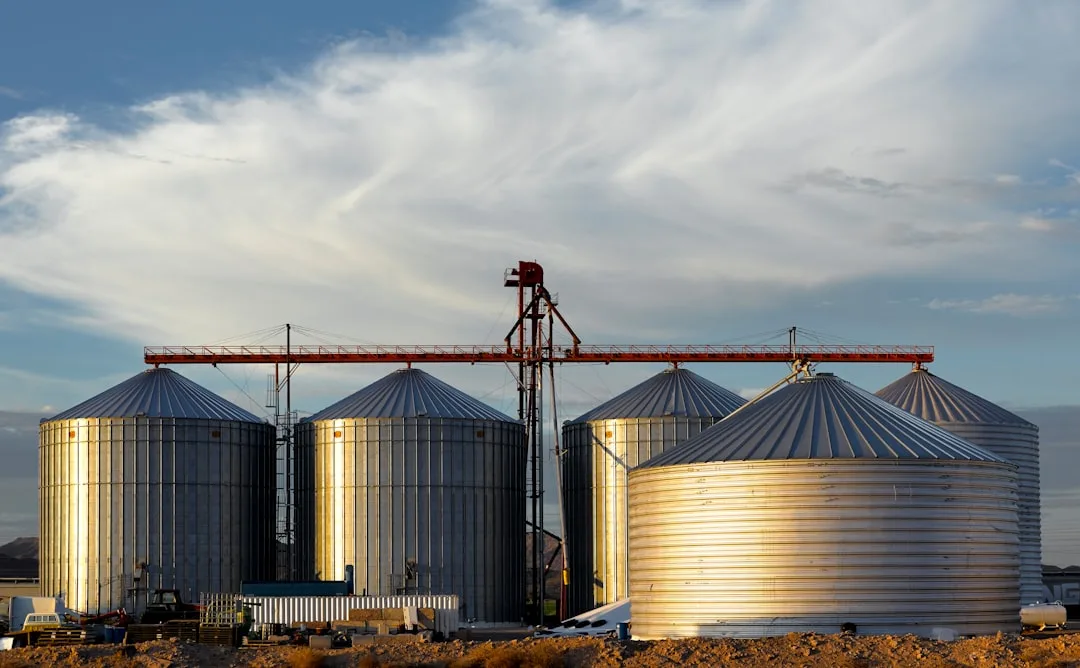
Your local grain elevator's bid sits below the Chicago futures price by a margin called the basis. That gap—typically 20 to 50 cents per bushel, depending on crop, location, and market condition—is where your real revenue lives or dies. Elevator basis risk management is not optional: a widening basis can reduce your net proceeds by hundreds of dollars on a single truckload, and most producers never see it coming until the contract is signed.
Elevator basis risk management ensures exposure protection and strategic control
Basis is the spread between your local elevator bid and the CBOT (Chicago Board of Trade) futures contract price for the same commodity and month. Your elevator buys corn at, say, $4.80 per bushel when futures are $5.15; that 35-cent gap is the basis. The elevator then locks in a futures contract to hedge its inventory, locking in its own margin.
When basis widens—say to 50 cents—your elevator's bid falls to $4.65 even if futures stay at $5.15. When basis tightens to 25 cents, the bid rises to $4.90. Most producers assume the elevator controls basis; it does not. Basis moves because of storage costs, transportation, supply gluts at the local level, and demand from crushers, ethanol plants, or export terminals.
Your elevator absorbs some basis risk by holding inventory. It manages that risk by locking futures contracts. You, the farmer, absorb the remaining basis risk every time you negotiate a price without understanding what the basis component is worth.
Quick Tips
- Always ask your elevator to separate the futures price from the basis in writing. Know both numbers before you decide.
- Track your local basis for at least three years. Identify seasonal patterns and abnormal widening so you can recognize when basis is unusually weak.
- Negotiate a basis contract months before harvest, not at the elevator door in November when you have no other option.
- Check your state's current local elevator pricing and regional basis trends at Check your state's current price to benchmark against your own elevator's offers.
- When basis widens unexpectedly late in the season, do not panic-sell into it. Basis can tighten again in days or weeks.
Seasonal Basis Patterns and Why They Matter
Basis is not random. It follows predictable seasonal patterns driven by harvest supply, storage demand, and transportation logistics. In late summer and early fall, when farmers bring in new crop simultaneously, basis typically widens because local elevator bins fill and the elevator must pass excess grain to more distant markets at higher transport cost.
By late winter and spring, as local supply shrinks and more distant crushers and exporters compete for grain, basis often tightens. A producer who understands these seasonal swings can time sales to periods of historically tighter basis rather than accepting whatever the elevator quotes in September.
Regional basis patterns also matter. A producer in Iowa may see basis tighten faster in spring than a producer 200 miles north, because the Iowa location is closer to crush mills and feed plants. Why Marketing-Year-Average Price Matters More Than Monthly Swings applies here too: your annual revenue depends on when you realize that average price, and basis timing is part of that strategy.
| Time Period | Typical Basis Pattern | Why It Matters to You |
|---|---|---|
| Sept–Oct (harvest) | Basis widens 40–60 cents | Elevator bins full; storage cost high; wider basis = lower bid |
| Nov–Dec (post-harvest) | Basis stable or slight tighten | Farmer sales slow; elevator moves excess; basis stabilizes |
| Jan–Mar (winter/spring) | Basis tightens 20–35 cents | Local supply low; crush/export demand rises; tighter basis = higher bid |
| Apr–Aug (off-season) | Basis varies; storage-driven | Stored grain costs elevator money; basis reflects that cost |
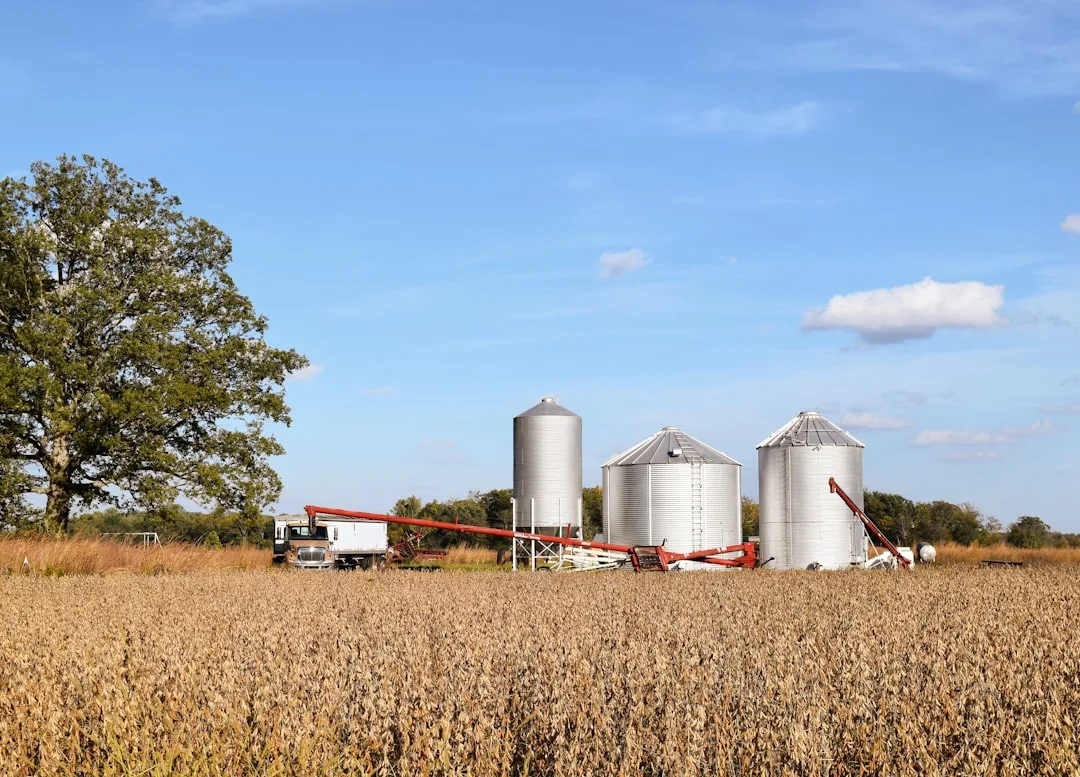
The Number One Mistake — Selling Into a Wide Basis Without a Benchmark
How to Track and Compare Basis Over Time
Successful basis management begins with record-keeping. Farmers should document every bid received, including the cash price offered, the futures price on that day, and the implied basis. Over a single marketing season, basis quotes will vary by 30, 40, or even 50 cents depending on delivery timing, elevator inventory, and regional supply/demand swings. By maintaining a simple spreadsheet—date, futures price, bid price, calculated basis—you create a personal benchmark. When an elevator calls with a new offer, you can instantly compare it to your own historical range. This transforms an emotional decision into a data-driven one. Additionally, comparing your basis to neighboring elevators or other regions reveals whether your facility is offering competitive terms or if it is extracting excessive margin during tight supply windows.
Linking Basis Strategy to Your Marketing-Year-Average Price Goal
Many producers focus on single-point sales and miss the bigger picture: annual revenue. A wide basis in October might feel painful, but if futures prices surge by 80 cents between October and January, accepting that October bid at a 40-cent discount could still yield a higher average price than waiting for a tighter basis that never materializes. This is where deliberate crop price volatility hedging through staged sales becomes critical. Rather than selling the entire crop on one date, dividing sales across multiple windows—harvest, early winter, late winter, and spring—naturally smooths your entry points and reduces the impact of any single wide-basis period. When combined with futures awareness, this approach aligns individual basis decisions with your season-long pricing objectives.
Try the Calculator
Estimate gross revenue at this month's price or the marketing-year-average.
Gross revenue only, not net income. Prices: USDA NASS national price received, Aug 2026 (updated automatically). Check your state's current price →
Check your state's current price: Check your state's current price.
Frequently Asked Questions
What is the difference between basis and the spot price my elevator quotes?
The spot price (or bid) is what your elevator will pay you today. Basis is the gap between that bid and the CBOT futures contract price for the same commodity. Bid = Futures Price minus Basis. Understanding the basis component helps you judge whether the bid is fair relative to national prices.
Why does my elevator's bid fall even when futures prices stay the same?
When basis widens, the elevator's bid falls because the elevator's cost to store, transport, or sell your grain has risen, or because local supply has increased faster than local demand. Basis moves independently of futures prices and reflects local supply-and-demand dynamics.
Can I negotiate basis with my elevator, or is it set by the market?
Basis is market-driven, but you can negotiate timing. If you lock a basis contract weeks or months before harvest when basis is tight, you fix that spread in writing. If you wait until harvest when basis is wide, you have less negotiating power. The key is having data and a framework to recognize when basis is unusually favorable.
How far in advance should I lock a basis contract?
There is no universal answer, but many producers begin watching basis in July and lock contracts in August or September for fall harvest. The earlier you lock, the more control you have over timing; the later you lock, the less flexibility you have if basis widens unexpectedly. Three years of historical data on when basis typically tightens will guide your decision.
What if my elevator does not offer basis contracts?
Ask whether they will offer one or explain why not. If they refuse, start tracking basis yourself and use that data to negotiate a better spot bid when you do sell. You can also consider selling to a competitor elevator if basis spreads differ meaningfully. Do not assume all elevators have the same basis.
How does storage cost factor into basis width?
Elevators calculate carrying cost—interest, insurance, and shrink—into the basis they offer. If you store grain on the elevator for six months, that cost is built into the lower bid you receive compared to immediate sale. If you have your own storage, you can compare the elevator's all-in offer (including storage) against self-storage plus a tighter harvest-time basis.
Related Articles

Related: Why Your Expected Price and Your Actual Local Return Often Diverge
Related: Storage Arbitrage Mechanics Shape Row Crop Revenue Timing