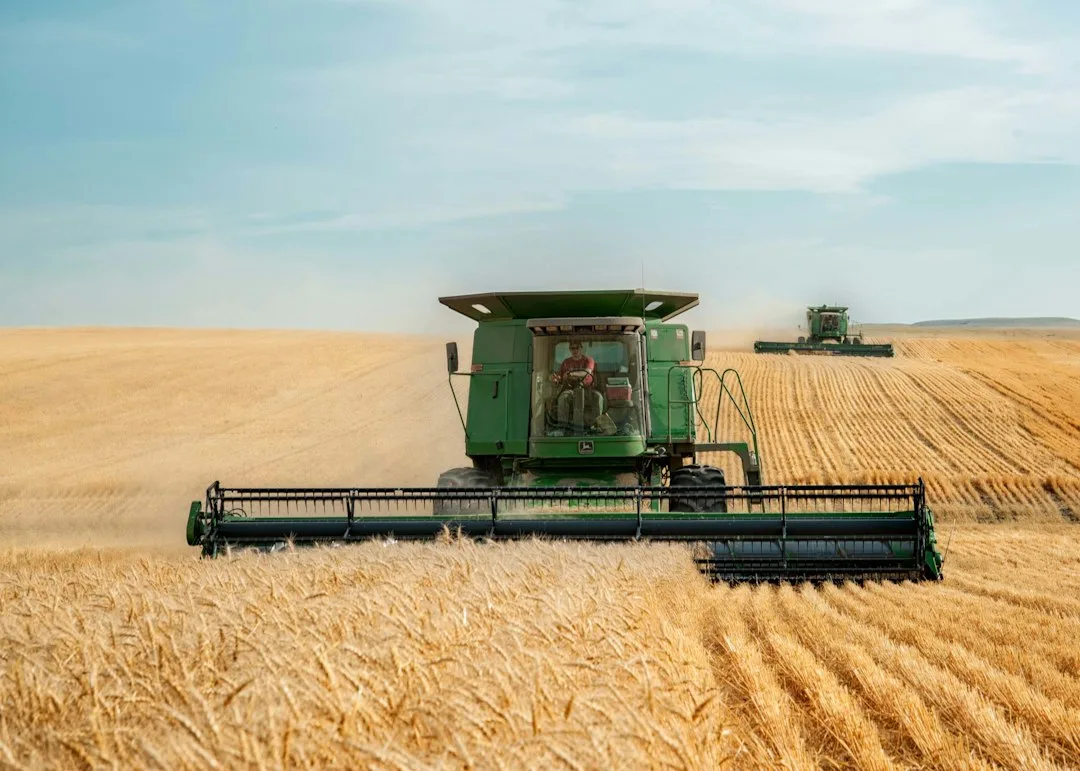
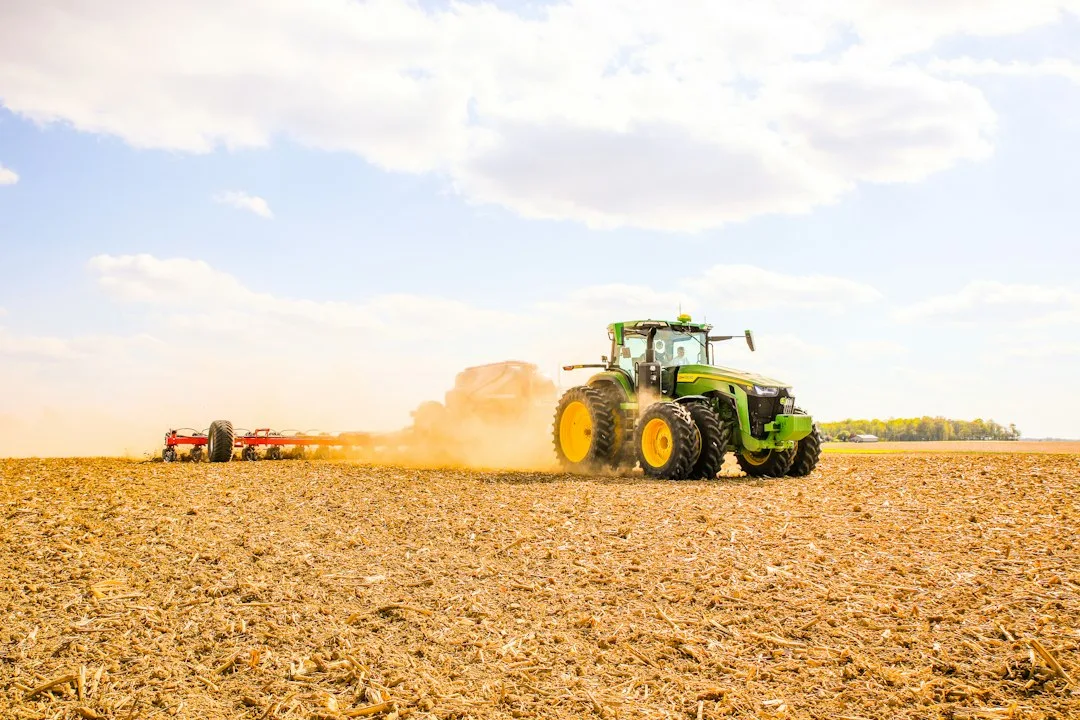
A field planted two weeks late rarely looks like a disaster at harvest, which is exactly why planting date yield response gets underestimated. The loss shows up slowly, spread across a few bushels per acre in a dozen small ways. Over several seasons, that quiet drag can outweigh any single problem on the farm.
Why Planting Date Yield Response Follows a Curve
Yield potential is not flat across the planting calendar. For most row crops in the Corn Belt, it rises as planting moves into spring, holds near a peak during an optimal window, and then declines as the season advances. The shape of that curve is what makes timing decisions matter.
The decline after the peak is driven mainly by a shorter growing season and shifting weather during critical growth stages. Late-planted crops have less time for vegetative growth before pollination and grain fill. They also often face hotter, drier conditions during those stages, so each day of delay carries a small cost rather than a single cliff.
Quick Tips
- Pull planting dates from planter or field records for every field, not just the farm average.
- Compare yield by planting week within the same hybrid, not across different hybrids.
- Flag fields planted outside the window and check whether they also had replant or stand issues.
- Review your state's planting patterns before setting next season's targets.
How the Optimal Planting Window Works
The optimal window is a range, not a single date. It shifts with latitude, soil temperature, elevation, and local frost risk, so a fixed calendar rule rarely fits every farm. Extension agronomists often describe it in terms of soil temperature and forecast conditions rather than the calendar alone.
Your own window can be estimated from records. Plot yield against planting date across several fields and look for the week where the average starts to fall. Because weather varies each year, treat that peak as a range built over multiple seasons.
For example, suppose an early-planted field trails a late-planted neighbor in one year. The gap alone does not prove planting date caused it, since soil type, drainage, and hybrid all differ between fields. Treat the pattern as a hypothesis to test over more years.
| Planting Window | Typical Yield Pattern | Main Management Focus |
|---|---|---|
| Before the window | Potential can be high, but frost and replant risk rise | Confirm soil temperature and frost outlook |
| Inside the window | Yield sits near its peak plateau | Keep stands uniform and manage weeds early |
| Shortly after the window | Gradual decline begins | Review hybrid maturity and seeding rate |
| Well past the window | Steeper losses and more weather exposure | Reassess crop choice and yield expectations |
Separating Weather From Planting Delay in Your Records
Planting date is rarely the only variable that changed in a given year. Rainfall, temperature, nitrogen timing, and pest pressure often move with the calendar. Without separating those effects, a late-planted field can get blamed for a bad summer.
One practical approach is to compare fields with similar soil and drainage within the same season. Then look at how planting timing lines up with each field's yield relative to the farm average. Repeated patterns across years carry more weight than a single result.
Soil water also changes with planting timing, and it shapes how a field handles dry spells. The relationship is covered in Soil Moisture Retention Drives Yield Stability Across Row Crops. Read it alongside your planting records before drawing conclusions.
Planting Late Without Changing Your Plan
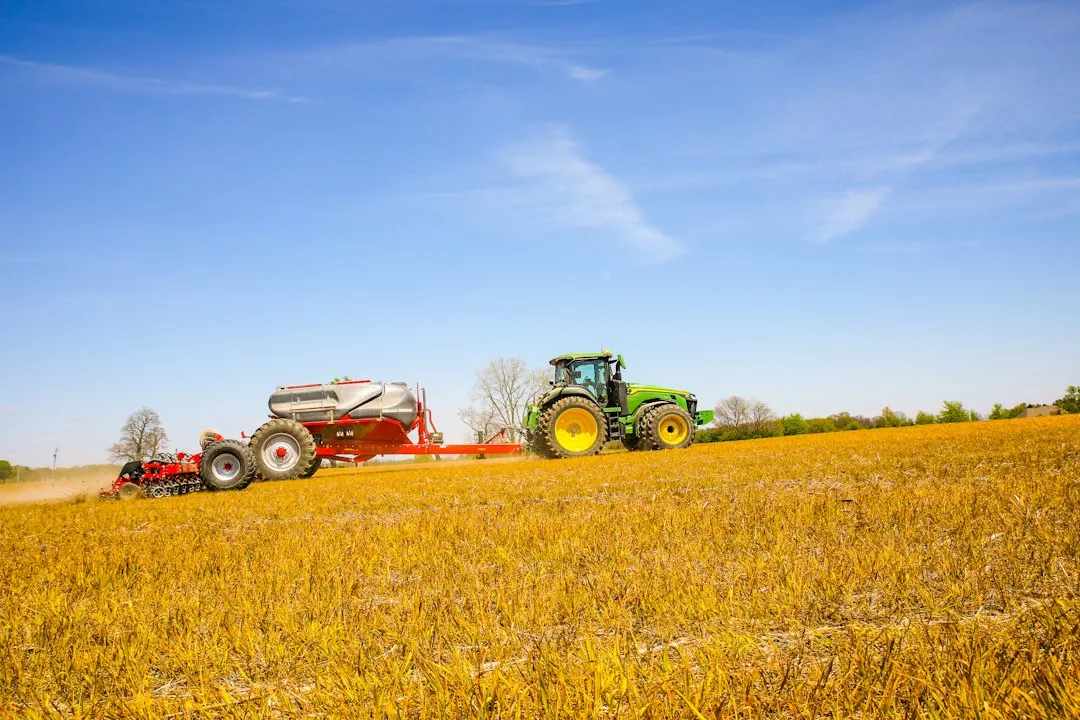
The most common mistake is planting late but keeping the same plan. A grower waits out a wet spell, then plants the same full-season hybrid in late May that was used in early April. Heat accumulation is no longer the same, so the crop may not mature before fall frost.
For example, a field that reaches maturity only after the first frost has lost potential that a shorter-season choice might have protected. The yield loss comes from the mismatch between hybrid and calendar, not from the delay alone. Check the relative maturity and days to silk on the seed label against your actual planting date.
Adjusting Your Plan When Planting Slips
When planting slips, three levers matter most. Hybrid maturity, seeding rate, and nitrogen timing all influence how much yield a late crop can recover. Each one needs to change together, not in isolation.
Shorter-season options can recover some yield lost to delay. Seeding rates are often adjusted modestly for later planting, but the right rate depends on your hybrid and local agronomic advice. Confirm both choices with your agronomist before the planter rolls.
Nitrogen timing also shifts. A late crop may have less time to use early applications, so a split application or sidedress pass can keep supply aligned with uptake. Check soil nitrate status before deciding how much to add.
Turning Planting Dates Into a Field Action Plan
Planting date records only help if they lead to a decision. Each field should carry a planting date, hybrid, and yield in one shared record. Once that record covers several years, the pattern shows which fields lose the most from delay.
Use those patterns to set next year's planting targets by field instead of by farm average. Fields with a steep delay penalty deserve earlier seed availability and a planter check before the window opens. For a broader method, see Yield Data Interpretation Turns Raw Numbers Into Field Action.
For the exact current figures for your state, See your state's full yield data and compare your planting history against regional averages. Those numbers change each season, so pull them fresh before each planning cycle.
What Planting Delay Means for Your Budget
Yield loss from delay is one input into seed, fuel, and drying cost decisions. It should be weighed against the cost of an earlier planting push, such as extra labor or equipment hours. The trade-off looks different on every farm.
Track the delay penalty as its own line in your planning sheet. That gives you a number to compare against the cost of waiting out weather. Over several seasons, the comparison often becomes clearer than any single year's result.
Try the Calculator
Estimate the payback on variable-rate seeding, zone-based fertility, and overlap reduction for your farm.
Estimate only — based on industry-average implementation costs (variable-rate seeding $18/ac, zone-based fertility $22/ac, overlap reduction $9/ac; $12,000 fixed + $17/ac ongoing) and USDA yield benchmarks, not a quote. Prices: USDA NASS national price received, Aug 2026 (updated automatically). See your state's full yield data →
See your state's full yield data: See your state's full yield data.
Frequently Asked Questions
How much yield do you lose by planting late?
The loss depends on hybrid, weather, and field conditions, so no single number applies to every farm. Compare your own multi-year records by planting week and check your state yield data for regional context.
How do I find my optimal planting window?
Plot yield against planting date across several seasons and fields, then find where the average starts to decline. Treat the result as a range, since weather shifts it each year.
Should I switch to a shorter-season hybrid when planting is delayed?
A shorter relative maturity often helps a late-planted field reach maturity before frost. Confirm the choice against the seed label and local agronomic guidance.
Does planting date affect nitrogen needs?
It can, because a later crop may take up nitrogen differently and have less time to use early applications. Check soil nitrate status before adjusting rates.
Why do late fields yield less even in good years?
Drainage, soil type, and pest pressure often vary between late and early fields. Compare fields with similar soils to isolate the effect of planting date.