Why Planting Date Yield Response Costs More Than Expected
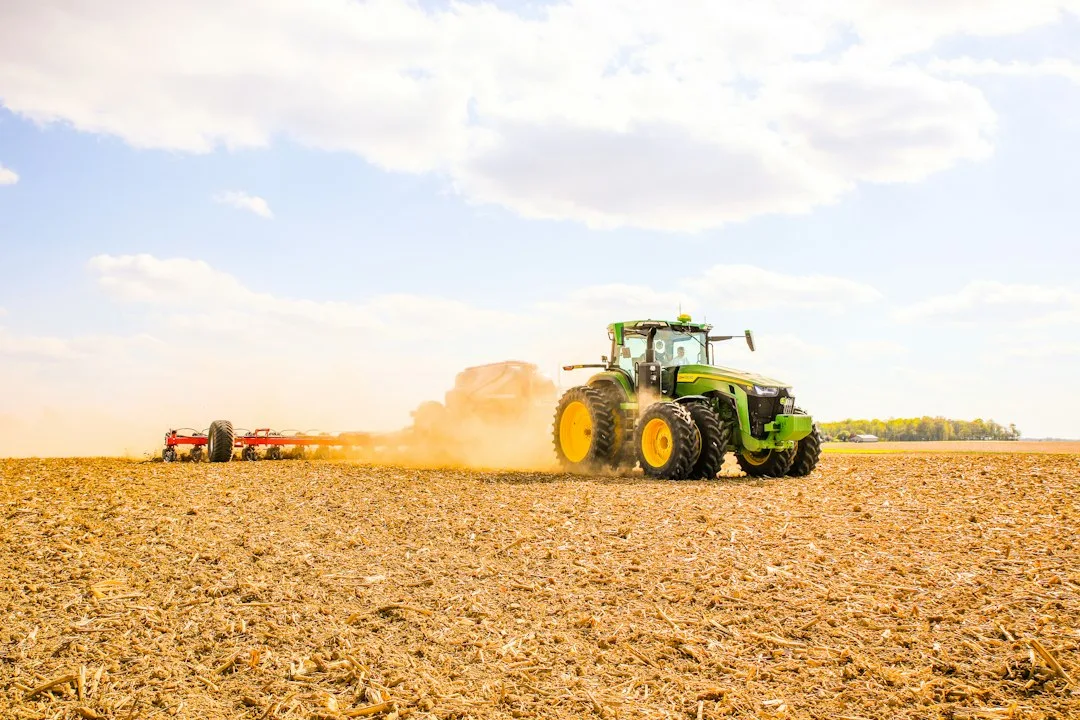
A late-planted field rarely looks like a disaster at harvest, but the loss adds up quietly over seasons. Learn how to read planting timing against your own yield records and adjust your plan.
A late-planted field rarely looks like a disaster at harvest, but the loss adds up quietly over seasons. Learn how to read planting timing against your own yield records and adjust your plan.
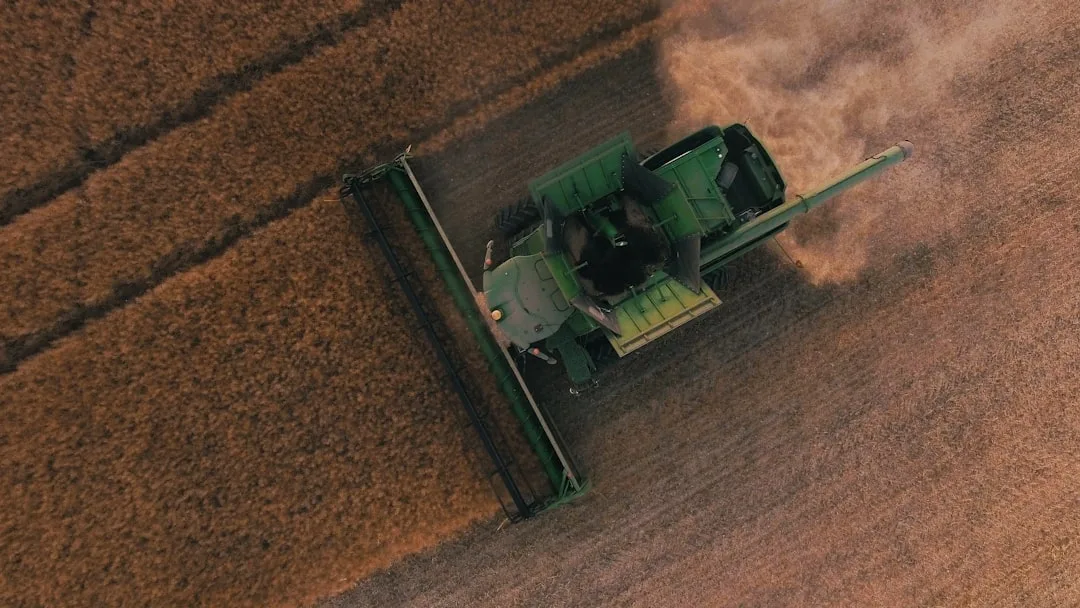
Your yield monitor only counts grain that reaches the tank. Harvest loss measurement shows how much escapes from the header, cleaning shoe, and rear of the combine, so you can fix leaks before they cost you money.
Harvest moisture can inflate or deflate bushel counts before you compare any field. Grain moisture correction puts every load on the standard basis so your yield records mean the same thing.
Yield monitoring consistency across seasons is the foundation of reliable field data—without it, you cannot distinguish real farm change from measurement error. This article explains why standardized monitoring methods matter and how to audit your own practice.
Soil compaction compounds gradually, cutting yields in patterns that equipment alone cannot see. Yield data reveals where compaction steals profit—and what it costs to ignore.
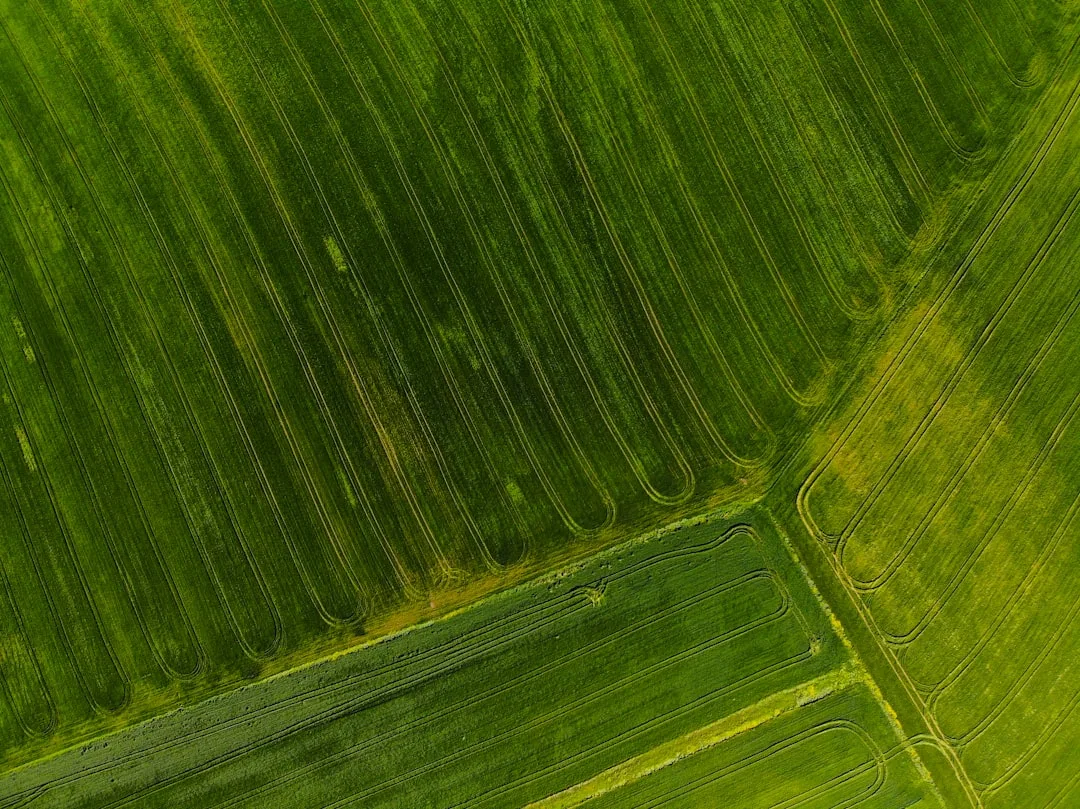
Field-level yield mapping breaks your farm into granular zones to expose hidden underperformance. Knowing where you lose bushels — and why — lets you test fixes on smaller ground before scaling.
Yield lag detection is a method that compares your farm's output against regional and state benchmarks to spot underperformance before it costs you money. This article explains how to read the data and turn it into field action.
Comparing yields year-to-year without adjusting for rainfall and temperature masks your actual farming decisions. Weather-adjusted yield comparison is the mechanic that lets you see whether a higher or lower number came from your choices or the sky.
Yield monitors record thousands of data points per acre, but not every fluctuation means something. Understanding what creates yield data variability—and what doesn't—lets you invest your management changes where they actually pay.
Most farmers collect yield data but never decode it. Learn the mechanics of interpreting raw yield maps and multi-year trends to identify what's actually driving field performance.